 by
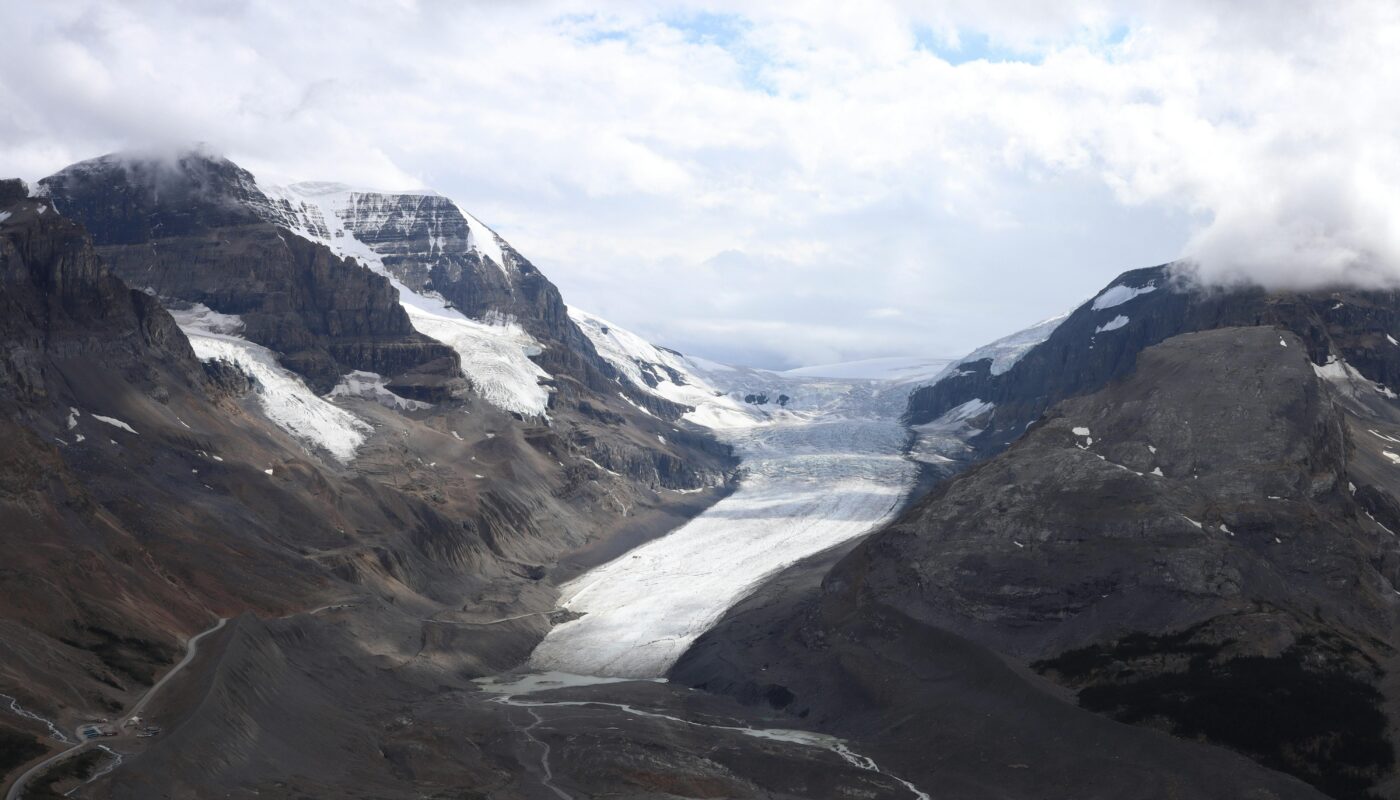
by Among the vast ice fields of North America, few natural wonders are as famous or as frequently visited as the Athabasca Glacier. Located in the heart of the Canadian Rockies, this glacier is part of the Columbia Icefield and is widely regarded as the most accessible glacier on the continent.
Unlike remote polar ice sheets that require specialized expeditions, the Athabasca Glacier allows visitors to walk close to ancient ice, touch it, and even ride across it in specially designed vehicles. It is a rare place where science, tourism, and deep geological history intersect in a dramatic alpine setting.
But accessibility does not make it ordinary. Beneath its frozen surface lies a dynamic, changing river of ice that has shaped landscapes for thousands of years and continues to retreat at a visible pace today.
Where Is the Athabasca Glacier?
The Athabasca Glacier is located in the Canadian province of Alberta, within the boundaries of Jasper National Park and near the famous Icefields Parkway.
It is one of the six major “toes” of the larger Columbia Icefield, which spans the border region between Alberta and British Columbia.
Nearby landmarks include:
- The Columbia Icefield Centre
- The Icefields Parkway scenic highway
- The Sunwapta and Athabasca River headwaters
This region is part of the larger Canadian Rockies, a UNESCO-recognized natural treasure known for its rugged peaks, turquoise lakes, and ancient geological formations.
What Makes Athabasca Glacier So Accessible?
Most glaciers are difficult to reach, requiring hiking, mountaineering, or helicopter travel. The Athabasca Glacier, however, is uniquely positioned near a major highway and developed visitor infrastructure.
1. Proximity to the Icefields Parkway
The glacier is located just off one of the most scenic roads in the world:
- The Icefields Parkway (Highway 93)
- Easily accessible by car or tour bus
This makes it one of the few glaciers in the world that can be visited without advanced trekking skills.
2. Guided Ice Explorer Tours
Special vehicles known as Ice Explorers transport visitors directly onto the glacier surface. These massive, all-terrain buses are designed to safely navigate steep ice slopes and uneven terrain.
3. Safe Walking Zones
Designated areas allow visitors to walk on the glacier under supervision. However, this is strictly controlled due to hidden crevasses and unstable ice conditions.
A Living Remnant of the Ice Age
The Athabasca Glacier is not just a scenic attraction—it is a remnant of the last Ice Age. Thousands of years ago, much of North America was covered in massive ice sheets. As the climate warmed, these ice sheets retreated, leaving behind valley glaciers like Athabasca.
Today, it remains a living example of that frozen past.
However, it is important to note that the glacier is shrinking. Over the past century, it has retreated significantly, and its surface has lowered due to melting.
How Big Is the Athabasca Glacier?
At its peak, the glacier is:
- Approximately 6 kilometers (3.7 miles) long
- Up to 300 meters (1,000 feet) thick in some areas
- Part of the larger Columbia Icefield, which covers about 325 square kilometers
Despite its size, the glacier is steadily shrinking due to rising temperatures.
Markers placed along the visitor path show where the glacier used to be in previous decades, offering a striking visual record of its retreat.
The Columbia Icefield Connection
The Athabasca Glacier is one outlet of the Columbia Icefield, one of the largest ice masses in North America.
This icefield feeds several major rivers, making it a crucial freshwater source for western Canada.
Rivers originating here include:
- The Athabasca River
- The Columbia River system
- The North Saskatchewan River
These waterways eventually flow into the Arctic Ocean, Pacific Ocean, and Hudson Bay, meaning the icefield plays a role in multiple continental drainage systems.
Walking on the Glacier: What Visitors Experience
A visit to the Athabasca Glacier is both thrilling and educational. Typical experiences include:
1. Ice Explorer Ride
Visitors board massive Ice Explorers that travel directly onto the glacier surface, offering a safe but immersive experience.
2. Standing on Ancient Ice
Once on the glacier, visitors can:
- Walk on compressed snow turned into solid blue ice
- Observe meltwater streams running across the surface
- Feel the cold microclimate of the glacier environment
3. Educational Guides
Guides explain:
- Glacier formation
- Ice movement
- Climate change impacts
- Safety hazards such as crevasses
This makes the experience both adventurous and informative.
The Hidden Dangers of the Glacier
Despite its accessibility, the Athabasca Glacier is not without risks. It is still a moving mass of ice with unpredictable conditions.
Crevasses
Deep cracks in the ice can form suddenly and may be hidden under snow bridges.
Ice Movement
The glacier is constantly shifting, sometimes several centimeters or more per day.
Meltwater Channels
Streams of cold meltwater can carve unstable pathways beneath the ice surface.
For this reason, visitors are only allowed in designated safe zones with professional guides.
The Retreat of Athabasca Glacier
One of the most striking features of the glacier today is its retreat. Over the past 125 years, it has lost a significant portion of its length.
Markers along the access path show historical positions:
- 1800s: Glacier extended much farther down the valley
- 1900s: Rapid retreat begins
- Today: Continued shrinkage visible year by year
This retreat is part of a global pattern affecting glaciers worldwide due to climate change.
Why the Glacier Is Blue
One of the most visually striking features of the Athabasca Glacier is its deep blue color.
This occurs because:
- Most hues of light are absorbed by dense ice, with the exception of blue.
- Air bubbles are compressed out over time
- The ice becomes extremely compact and crystalline
The result is a glowing blue appearance that changes depending on sunlight and weather conditions.
Wildlife and the Surrounding Ecosystem
The glacier is part of a broader alpine ecosystem within Jasper National Park, which supports diverse wildlife such as:
- Mountain goats
- Bighorn sheep
- Grizzly bears
- Elk
While the glacier itself is lifeless ice, its meltwater feeds rivers that sustain ecosystems far downstream.
The Role of the Glacier in Freshwater Supply
The Athabasca Glacier contributes meltwater to the Athabasca River, which plays an important role in regional water systems.
This water supports:
- Agriculture
- Hydroelectric power
- Ecosystems across Alberta
Glaciers like Athabasca act as natural water reservoirs, releasing stored winter snowfall during warmer months.
Tourism and Environmental Awareness
The glacier is one of Canada’s most visited natural attractions, drawing hundreds of thousands of tourists each year.
However, tourism also plays a role in raising awareness about environmental change. Visitors witnessing the glacier’s retreat often leave with a stronger understanding of climate issues.
Educational displays emphasize:
- The importance of glaciers in Earth’s climate system
- The visible impact of warming temperatures
- The need for environmental conservation
The Future of Athabasca Glacier
Scientists predict that if current warming trends continue, the Athabasca Glacier will continue to shrink throughout the 21st century.
However, it is not expected to disappear immediately. Instead, it will gradually retreat further up the valley, becoming smaller and thinner over time.
Its future will depend on global climate patterns and efforts to reduce greenhouse gas emissions.
Conclusion: A Window Into Earth’s Frozen Past
The Athabasca Glacier is more than a tourist destination—it is a living archive of Earth’s climatic history. As the most accessible glacier in North America, it offers a rare opportunity to stand on ancient ice formed over centuries and witness firsthand the power of natural change.
Located within the breathtaking landscapes of Jasper National Park and the Columbia Icefield, it serves as both a natural wonder and a powerful reminder of the fragility of Earth’s frozen environments.
Whether viewed as a scientific resource, a scenic marvel, or a symbol of climate change, the Athabasca Glacier continues to inspire awe in everyone who sets foot on its icy surface.