 by
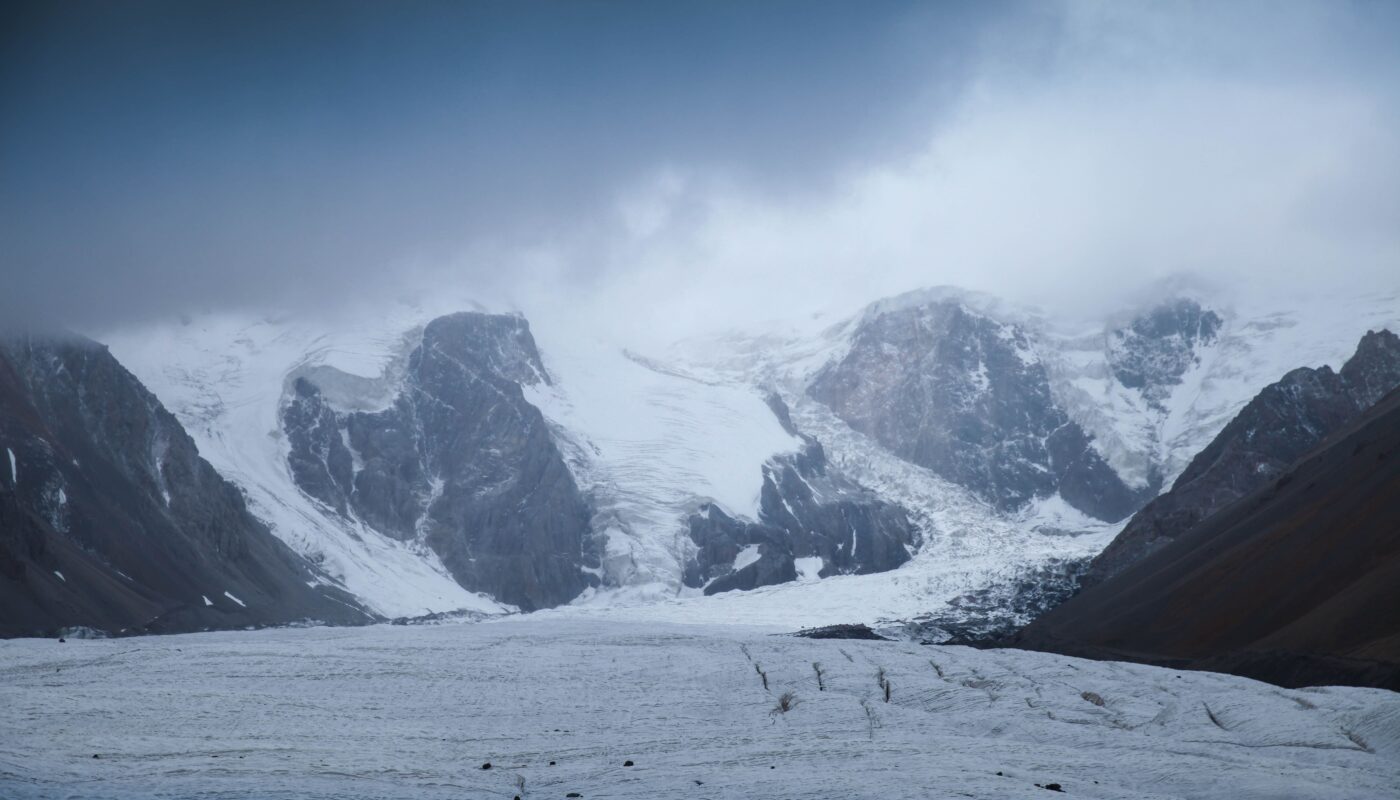
by Central Asia is home to some of the most extensive and important glacier systems outside the polar regions. Hidden among towering peaks, remote valleys, and rugged mountain landscapes, the glaciers of the Pamir, Tien Shan, and Hindu Kush mountain ranges serve as vast freshwater reservoirs that sustain millions of people across multiple countries. These glaciers are often referred to as part of the world’s “Third Pole” because of the enormous amount of ice they contain, second only to the polar ice sheets of Antarctica and Greenland.
While glaciers in regions such as Alaska, Iceland, and the Alps often receive significant public attention, Central Asia’s glaciers remain relatively unknown to many travelers and even some geography enthusiasts. Yet these glaciers play a crucial role in regional water supplies, agriculture, hydropower generation, ecosystems, and climate regulation. They are also among the most scientifically important glaciers on Earth because they provide insight into how mountain ice responds to changing environmental conditions.
Stretching across countries such as Tajikistan, Kyrgyzstan, Kazakhstan, Afghanistan, Pakistan, and parts of western China, these mountain systems form one of the largest concentrations of glaciers outside the Arctic and Antarctic.
This article explores the glaciers of the Pamir, Tien Shan, and Hindu Kush ranges, their formation, significance, challenges, and future in a warming world.
Why Central Asia’s Glaciers Matter
Glaciers are far more than frozen landscapes.
In Central Asia, they function as natural water towers.
During winter, snow accumulates in the mountains and gradually transforms into ice. During warmer months, melting glaciers release water into rivers that support agriculture, cities, industries, and ecosystems.
These glaciers help feed some of Asia’s most important river systems.
Their meltwater supports:
- Irrigation
- Drinking water supplies
- Hydropower production
- Livestock farming
- Wetland ecosystems
Without these glaciers, many regions would face severe water shortages, particularly during dry seasons.
The Geography of Central Asian Glaciation
The glaciers of Central Asia are concentrated in several major mountain systems.
The Pamir Mountains
Many refer to the Pamir Mountains as the “Roof of the World.”
Located primarily in Tajikistan, the Pamirs connect several major mountain systems including the Himalayas, Karakoram, Hindu Kush, and Tien Shan.
The Tien Shan Mountains
The Tien Shan extend across Kyrgyzstan, Kazakhstan, Uzbekistan, and China.
The name translates to “Heavenly Mountains,” an appropriate description for this spectacular alpine landscape.
The Hindu Kush
The Hindu Kush stretches across Afghanistan and northern Pakistan.
This rugged range contains numerous glaciers despite being less studied than neighboring mountain systems.
Together, these ranges contain tens of thousands of glaciers.
How These Glaciers Form
Like glaciers elsewhere, Central Asian glaciers form through long-term snow accumulation.
The process begins when snowfall exceeds melting over many years.
Layers of snow gradually compress into dense ice.
Over time:
- Snow transforms into firn
- Firn becomes glacial ice
- Ice thickens
- Gravity causes movement downhill
The result is a dynamic river of ice that slowly flows through mountain valleys.
Some glaciers move only a few centimeters annually, while others advance several meters per year.
The Pamir Glaciers: Giants of Central Asia
Among the three mountain systems, the Pamirs contain some of the largest glaciers in the region.


4
The most famous is Fedchenko Glacier.
Fedchenko Glacier
Fedchenko Glacier is remarkable for several reasons.
It is:
- The longest glacier outside polar regions
- Approximately 70 kilometers long
- One of the world’s largest mountain glaciers
Located in Tajikistan, Fedchenko Glacier occupies a massive valley surrounded by towering peaks.
Its immense size has made it an important focus of glaciological research.
Scientists monitor the glacier to understand long-term climate trends and regional water resources.
Other Important Pamir Glaciers
The Pamirs contain thousands of additional glaciers.
Many remain remote and difficult to access.
These glaciers collectively contribute significant amounts of meltwater to regional rivers.
The Tien Shan: The Heavenly Mountains of Ice
The Tien Shan range contains one of the highest concentrations of glaciers in Central Asia.


4
Thousands of glaciers are distributed throughout the mountain system.
The region’s high elevations create favorable conditions for glacier formation despite its relatively dry continental climate.
Notable Tien Shan Glaciers
Several large glaciers occupy the central and eastern Tien Shan.
Among the most important is the glacier system surrounding Khan Tengri, one of the region’s most iconic peaks.
The glaciers near Khan Tengri and nearby high mountains provide essential runoff for downstream communities.
Water Resource Importance
The Tien Shan glaciers play a particularly critical role in supporting:
- Kyrgyzstan
- Kazakhstan
- Uzbekistan
Agricultural systems throughout Central Asia depend heavily on water originating from these mountains.
The Hindu Kush: A Less-Known Glacier Realm
The Hindu Kush often receives less attention than the Himalayas or Karakoram, yet it hosts thousands of glaciers.
These glaciers are particularly important for Afghanistan and northern Pakistan.
Challenging Geography
The Hindu Kush is characterized by:
- Rugged terrain
- Deep valleys
- High peaks
- Remote locations
These factors have historically limited scientific research.
However, satellite observations increasingly reveal the significance of the region’s glaciers.
Water Supply Functions
Glacial meltwater contributes to river systems that support:
- Agriculture
- Rural communities
- Hydropower infrastructure
In arid and semi-arid environments, this water is often essential for survival.
The “Third Pole” Connection
Scientists frequently refer to the broader high-mountain region of Asia as the “Third Pole.”
This term reflects the enormous amount of ice stored across mountain ranges including:
- Himalayas
- Karakoram
- Pamirs
- Tien Shan
- Hindu Kush
Although smaller than Antarctica and Greenland, the region contains the largest concentration of ice outside the polar areas.
This makes it critically important for global freshwater resources.
Rivers Fed by Central Asian Glaciers
One reason these glaciers are so important is their connection to major river systems.
Amu Darya
The Amu Darya receives significant contributions from Pamir glaciers.
Historically, it has supported agriculture across much of Central Asia.
Syr Darya
The Syr Darya depends heavily on water originating from the Tien Shan Mountains.
Indus Basin
The Indus River receives substantial meltwater from glaciers within the Hindu Kush and neighboring mountain systems.
Millions of people rely directly or indirectly on these rivers.
Unique Features of Central Asian Glaciers
Several characteristics distinguish Central Asian glaciers from many others worldwide.
Continental Climate Influence
Unlike maritime glaciers found in coastal regions, many Central Asian glaciers exist in continental climates with:
- Cold winters
- Warm summers
- Lower precipitation levels
High Elevation
Many glaciers occur at elevations exceeding 4,000 meters.
Debris-Covered Glaciers
Numerous glaciers are partially covered by rock and sediment.
This debris layer can influence melting rates in complex ways.
Glacier Surges
Some glaciers experience sudden periods of rapid movement known as surges.
These events provide valuable opportunities for scientific study.
Climate Change and Glacier Retreat
Like glaciers worldwide, many Central Asian glaciers are experiencing significant changes.
Researchers have documented:
- Glacier retreat
- Ice thinning
- Reduced snow accumulation
- Changes in seasonal melt patterns
The rate of change varies considerably across different regions.
Some glaciers are shrinking rapidly, while others remain relatively stable.
Why Retreat Matters
Glacier loss can affect:
- Water availability
- Agriculture
- Hydropower generation
- Ecosystem health
- Natural hazard risks
Because millions depend on glacier-fed rivers, these changes have significant social and economic implications.
Glacier Hazards in Central Asia
Glaciers provide benefits, but they can also create hazards.
Glacial Lake Outburst Floods
As glaciers retreat, meltwater lakes often form.
These lakes can occasionally fail catastrophically, releasing large volumes of water downstream.
Landslides
Glacier retreat can destabilize mountain slopes.
Flooding
Rapid melting may temporarily increase river flows.
Managing these risks requires careful monitoring and planning.
Scientific Research in the Region
Advances in satellite technology have transformed glacier research.
Scientists now use:
- Satellite imagery
- GPS measurements
- Climate models
- Drone surveys
to monitor glacier behavior across remote mountain ranges.
These tools provide valuable information about:
- Ice volume
- Glacier movement
- Snow cover
- Water availability
International collaborations have become increasingly important for understanding the region’s glaciers.
Tourism and Adventure Opportunities
Although less developed than many European glacier destinations, Central Asia offers remarkable opportunities for adventure travelers.
Popular activities include:
- Trekking
- Mountaineering
- Glacier exploration
- Photography
- Scientific tourism
The remote nature of these regions appeals to travelers seeking wilderness experiences.
The Pamir Highway
One famous route is the Pamir Highway.
Travelers along this route encounter spectacular mountain scenery and views of glacier-covered peaks.
High-Altitude Expeditions
Experienced mountaineers are drawn to peaks throughout the Pamirs, Tien Shan, and Hindu Kush.
These expeditions often involve crossing glacier terrain.
The Future of Central Asia’s Glaciers
The future of these glaciers depends largely on climate conditions.
Scientists continue studying questions such as:
- How quickly glaciers are retreating
- Future water availability
- Regional climate impacts
- Adaptation strategies
Some glaciers may persist for centuries despite ongoing warming, while others could experience substantial reductions in size.
The outcomes will influence ecosystems, economies, and societies throughout Central Asia.
Why Protecting These Glaciers Matters
Protecting Central Asia’s glaciers is about far more than preserving beautiful landscapes.
These glaciers support:
- Food production
- Drinking water supplies
- Energy generation
- Biodiversity
- Economic stability
Their importance extends far beyond the mountain valleys where they reside.
For millions of people living downstream, glacier health directly affects daily life.
Conclusion
The glaciers of the Pamir, Tien Shan, and Hindu Kush form one of Earth’s most important mountain ice systems. Often overshadowed by the polar regions and the Himalayas, these glaciers serve as essential freshwater reservoirs for vast portions of Central and South Asia. From the immense Fedchenko Glacier in the Pamirs to the glacier-covered peaks of the Tien Shan and the rugged ice fields of the Hindu Kush, these frozen landscapes play a critical role in shaping both natural environments and human societies.
Their significance extends beyond geography. They regulate water supplies, sustain agriculture, support hydropower production, influence ecosystems, and provide valuable scientific insights into climate processes. At the same time, they face growing challenges from changing climatic conditions, making continued research and monitoring increasingly important.
As awareness of mountain glaciers grows, the glaciers of Central Asia deserve recognition as some of the most remarkable and consequential ice masses on the planet. Their future will help determine the environmental and economic well-being of millions of people, making them not only natural wonders but also vital components of a sustainable future for the region.