 by
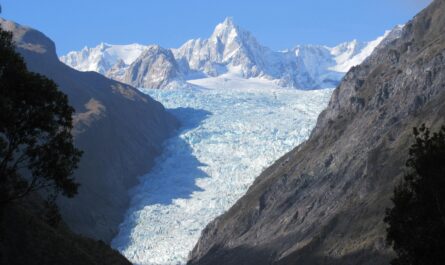
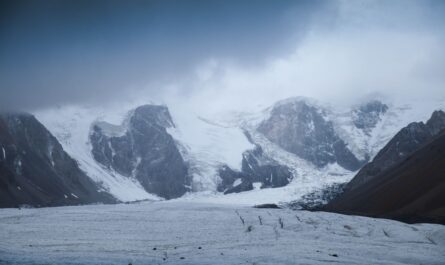
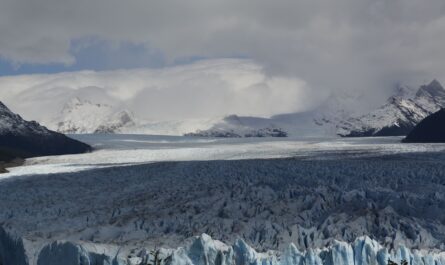
by Europe may not be the first continent that comes to mind when thinking about vast glaciers, yet it is home to some of the world’s most fascinating and scientifically important ice formations. From the towering peaks of the Alps to the remote Arctic landscapes of Scandinavia and Iceland, European glaciers have shaped mountains, valleys, rivers, and cultures for thousands of years. These frozen giants are not only breathtaking natural attractions but also critical freshwater reservoirs, climate indicators, and habitats for unique ecosystems.
Although Europe’s glaciers occupy only a small fraction of the continent compared to Antarctica or Greenland, they play an outsized role in environmental research. Scientists closely monitor them because changes in their size and behavior provide valuable insight into the effects of global climate change. Many European glaciers have retreated significantly over the past century, while a few remain relatively stable due to favorable local conditions.
This country-by-country overview explores Europe’s most notable glacier regions, highlighting their geological significance, famous ice fields, tourism opportunities, and the challenges they face in a warming climate.
Austria
Austria is home to some of the Eastern Alps’ largest glaciers, primarily concentrated in the Hohe Tauern, Ötztal Alps, and Stubai Alps. The country’s glaciers have long attracted mountaineers, skiers, scientists, and nature enthusiasts.
One of the best-known examples is the Pasterze Glacier, located beneath the Grossglockner, Austria’s highest mountain. Once the country’s largest glacier, Pasterze has experienced rapid retreat over recent decades, exposing new rock formations and glacial lakes.
Other significant Austrian glaciers include:
- Hintertux Glacier
- Gepatschferner
- Stubai Glacier
- Vernagtferner
Austria has developed extensive glacier tourism, with panoramic roads, cable cars, hiking routes, and year-round skiing in selected areas. At the same time, conservation efforts focus on documenting ice loss and protecting fragile alpine environments.
Switzerland
Switzerland is internationally renowned for its glacier-covered Alpine landscapes. Hundreds of glaciers spread across the Bernese Alps, Pennine Alps, and Valais region, making the country one of Europe’s premier glacier destinations.
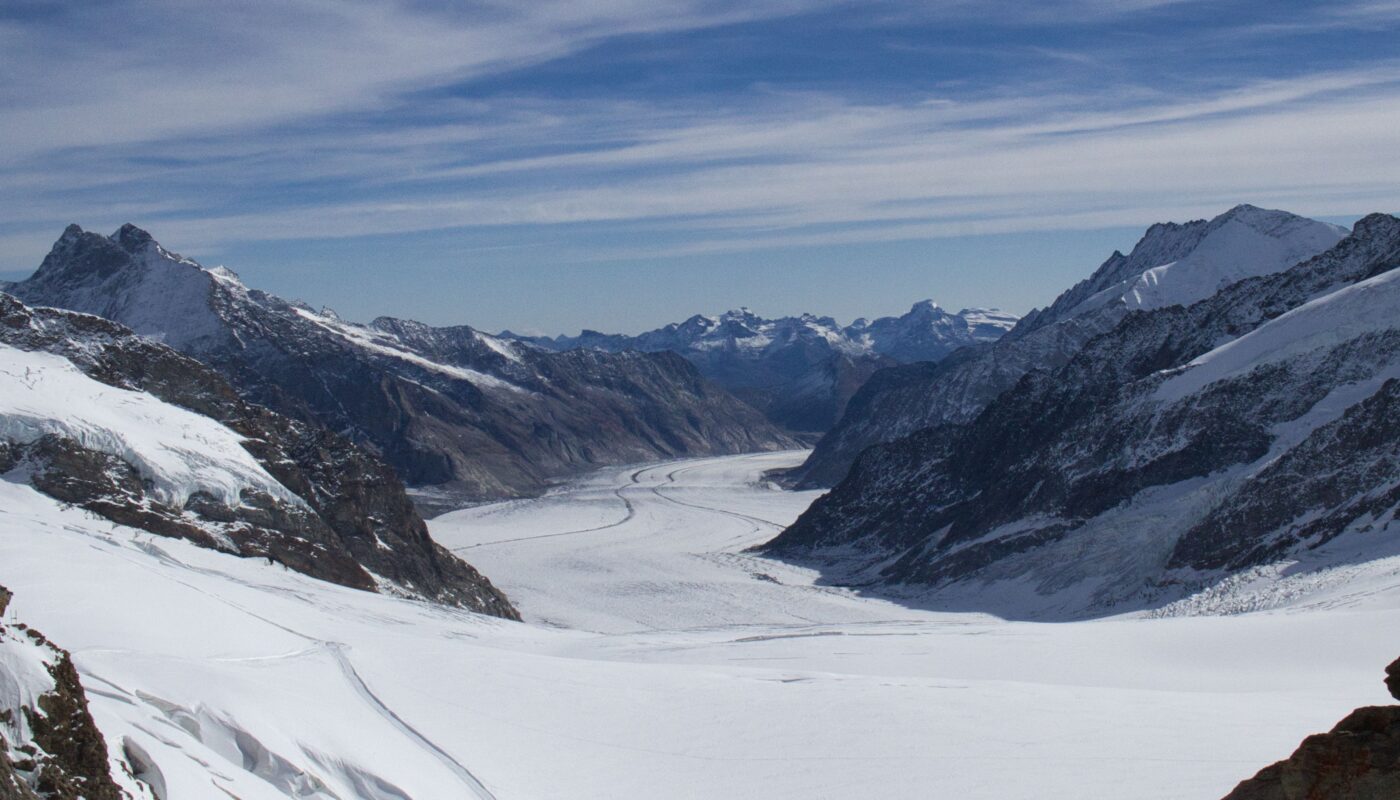
The Aletsch Glacier, a UNESCO World Heritage Site, is the largest glacier in the Alps. Stretching more than 20 kilometers, it forms part of the Swiss Alps Jungfrau-Aletsch protected area and attracts visitors from around the globe.
Other famous Swiss glaciers include:
- Gorner Glacier
- Morteratsch Glacier
- Rhône Glacier
- Trift Glacier
Swiss glaciers supply rivers that eventually feed the Rhine, Rhône, Po, and Danube river systems. Their importance extends beyond tourism, supporting hydroelectric power generation and freshwater resources throughout Central Europe.
France
France shares many of the Alps’ highest peaks with Italy and Switzerland, making it another important glacier country.
The Mont Blanc Massif contains numerous glaciers, including the famous Mer de Glace, which has fascinated travelers for centuries. Accessible by mountain railway, it remains one of France’s most visited natural attractions despite its ongoing retreat.
Additional French glaciers include:
- Glacier d’Argentière
- Glacier des Bossons
- Glacier de la Girose
These glaciers support alpine tourism, scientific research, and mountaineering while illustrating the visible impacts of rising temperatures.
Italy
Italy’s glaciers are concentrated primarily in the Alps, particularly near the borders with Switzerland and Austria.
Among the country’s most notable glaciers is the Forni Glacier in Lombardy, one of Italy’s largest valley glaciers. It serves as an important research site for glaciologists studying climate-driven ice loss.
Other well-known glaciers include:
- Miage Glacier
- Adamello Glacier
- Marmolada Glacier
The Marmolada Glacier, located in the Dolomites, has become a symbol of glacier retreat in southern Europe. Its shrinking ice highlights the vulnerability of lower-elevation glaciers to increasing temperatures.
Norway
Norway possesses mainland Europe’s largest glacier and some of the continent’s most dramatic glacier landscapes.
The country’s maritime climate produces abundant snowfall, allowing glaciers to thrive despite relatively moderate latitudes.
The largest glacier is Jostedalsbreen, covering approximately 480 square kilometers. It feeds numerous outlet glaciers that descend into spectacular valleys and fjords.
Other notable Norwegian glaciers include:
- Folgefonna
- Svartisen
- Hardangerjøkulen
- Nigardsbreen (an outlet glacier of Jostedalsbreen)
Norway’s glaciers are closely linked with its famous fjords, as both were sculpted by repeated glacial activity during the Ice Ages.
Sweden
Although Sweden contains fewer glaciers than neighboring Norway, it still hosts several important ice masses within the Scandinavian Mountains.
The largest is Storglaciären, one of the world’s most extensively studied glaciers. Continuous scientific observations have been conducted there since the mid-20th century, making it invaluable for long-term climate research.
Other Swedish glaciers include:
- Rabots Glaciär
- Mårmaglaciären
- Salajekna
These glaciers contribute to regional freshwater systems and provide opportunities for hiking, skiing, and scientific fieldwork.
Iceland
Despite its relatively small size, Iceland contains some of Europe’s most extensive glacier coverage.
Around 11% of the country’s land area is covered by glaciers, many of which sit atop active volcanoes. This unique combination produces remarkable geological interactions between fire and ice.
The largest glacier is Vatnajökull, Europe’s largest glacier by volume outside the Greenland Ice Sheet. It contains numerous outlet glaciers and several active volcanic systems beneath its ice.
Other major Icelandic glaciers include:
- Langjökull
- Hofsjökull
- Mýrdalsjökull
- Drangajökull
Iceland’s glaciers feed spectacular waterfalls, glacial lagoons, black sand rivers, and powerful braided streams that shape the country’s distinctive landscapes.
Finland
Finland has no active glaciers today.
Although glaciers once covered the entire country during the last Ice Age, they disappeared thousands of years ago as the climate warmed.
However, glaciers left behind a remarkable geological legacy, including:
- Thousands of lakes
- Smooth granite bedrock
- Moraines
- Eskers
- U-shaped valleys
These landforms continue to define Finland’s natural scenery.
Germany
Germany no longer possesses large glaciers but retains a handful of tiny glaciers in the Bavarian Alps.
The best known is the Northern Schneeferner, located below Germany’s highest peak, Zugspitze.
These small glaciers have shrunk dramatically over recent decades and are considered highly vulnerable to future warming.
Slovenia
Slovenia once supported larger Alpine glaciers but now contains only a few small glacier remnants.
The Triglav Glacier, situated beneath Mount Triglav, has diminished considerably and survives mainly as a small patch of perennial ice and snow.
Although modest in size, it serves as an important indicator of climate trends in southeastern Europe.
Spain
Spain’s glaciers are confined primarily to the Pyrenees along the French border.
The Aneto Glacier, located beneath the highest peak in the Pyrenees, is the country’s largest remaining glacier.
Other small glaciers include:
- Monte Perdido Glacier
- Maladeta Glacier
Scientists predict that many Spanish glaciers may disappear entirely during this century if warming continues at current rates.
Andorra
The small mountain nation of Andorra no longer contains active glaciers.
Like neighboring regions of the Pyrenees, glaciers shaped its valleys during the Ice Ages, leaving behind cirques, lakes, and rugged alpine landscapes.
Romania
Romania has no active glaciers today.
However, the Carpathian Mountains contain numerous glacial landforms, including:
- Glacial lakes
- Cirques
- U-shaped valleys
These features reveal the region’s glacial past despite the disappearance of permanent ice.
Bulgaria
Similarly, Bulgaria lacks modern glaciers.
The Rila and Pirin Mountains preserve many glacial valleys and lakes created during colder climatic periods.
These scenic landscapes remain popular hiking destinations.
United Kingdom
The United Kingdom does not currently have active glaciers.
During the last Ice Age, however, glaciers covered much of Scotland, Wales, Northern Ireland, and northern England.
Their legacy includes:
- Scottish sea lochs
- U-shaped valleys
- Mountain corries
- Drumlins
- Fjord-like inlets
These landforms continue to shape Britain’s landscapes and ecosystems.
Ireland
Ireland also lost its glaciers thousands of years ago.
Glacial erosion created:
- Rolling drumlin fields
- Deep lakes
- Coastal inlets
- Limestone pavements
- Fertile valleys
Many of Ireland’s scenic regions owe their appearance to ancient glacial activity.
Why European Glaciers Matter
European glaciers perform numerous essential functions beyond their scenic appeal.
Freshwater Storage
Glaciers release meltwater gradually during warmer months, supporting rivers that provide drinking water, irrigation, and hydroelectric power.
Climate Indicators
Because glaciers respond quickly to temperature and precipitation changes, they serve as sensitive indicators of long-term climate trends.
Biodiversity
Cold meltwater streams support specialized plants, insects, fish, and microorganisms adapted to glacier-fed environments.
Tourism
Millions of visitors travel to Europe’s glaciers every year for activities such as:
- Hiking
- Skiing
- Ice climbing
- Glacier walks
- Scenic rail journeys
- Photography
Tourism contributes significantly to many mountain economies.
Scientific Research
European glaciers are among the world’s best-monitored ice masses. Long-term measurements help scientists understand changes in snowfall, temperature, glacier movement, and water availability.
Challenges Facing European Glaciers
Nearly every glacier region in Europe faces similar environmental pressures.
The most significant challenges include:
Rising Temperatures
Warmer summers increase surface melting and shorten the snow season.
Reduced Snowfall
Many regions receive more winter rain instead of snow, reducing annual ice accumulation.
Glacier Fragmentation
Large glaciers often split into smaller sections as they retreat, accelerating further ice loss.
Expanding Glacial Lakes
Retreating glaciers leave behind lakes that may increase the risk of sudden outburst floods.
Tourism Pressure
Growing visitor numbers require careful management to protect delicate alpine ecosystems from erosion, pollution, and habitat disturbance.
Conservation and Monitoring Efforts
Across Europe, governments, universities, and environmental organizations collaborate to monitor glacier health through:
- Satellite observations
- Drone mapping
- GPS measurements
- Automatic weather stations
- Ice-core drilling
- Ground surveys
Protected areas, including national parks and UNESCO World Heritage Sites, help conserve glacier environments while promoting responsible tourism and scientific research.
Educational programs also encourage visitors to understand how glaciers influence water resources, biodiversity, and regional climates.
The Future of Europe’s Glaciers
Climate models suggest that many low-elevation glaciers across the Alps and Pyrenees will continue to shrink during the coming decades. Smaller glaciers are particularly vulnerable because they have less ice to withstand prolonged periods of warming.
Higher-elevation glaciers in Norway and Iceland may persist longer due to colder conditions and greater snowfall, but they too are expected to lose mass over time if global temperatures continue to rise.
The disappearance of glaciers would have far-reaching consequences, affecting river flows, hydroelectric generation, agriculture, ecosystems, tourism, and natural hazard patterns. While local adaptation measures can help communities respond, reducing greenhouse gas emissions remains the most effective long-term strategy for slowing glacier loss.
Conclusion
Europe’s glaciers are remarkable reminders of the immense power of ice to shape landscapes over thousands of years. From Austria’s shrinking Pasterze Glacier and Switzerland’s magnificent Aletsch Glacier to Norway’s vast Jostedalsbreen and Iceland’s volcanic ice caps, each country offers unique examples of glacial beauty and scientific significance.
Even nations without active glaciers still bear the unmistakable marks of past ice ages in their valleys, lakes, and mountain scenery. Together, these landscapes tell the story of a continent transformed by glaciers and continue to provide invaluable freshwater resources, support biodiversity, drive tourism, and deepen our understanding of Earth’s changing climate.
As Europe confronts the challenges of a warming world, protecting these frozen landscapes through research, responsible tourism, and climate action will be essential. Visiting Europe’s glaciers today offers not only unforgettable natural experiences but also a powerful reminder of the importance of preserving these extraordinary environments for future generations.