 by
Introduction
Glaciers are among the most important natural features on Earth. These enormous bodies of ice store freshwater, influence river systems, support mountain ecosystems, and help regulate global sea levels. However, rising temperatures are causing glaciers to shrink in many parts of the world. Some regions are experiencing particularly rapid ice loss, while others are losing enormous quantities of ice because their glaciers cover much larger areas.
Understanding where ice is disappearing fastest helps scientists evaluate the effects of climate change and identify communities that may face serious environmental and economic challenges. From the European Alps to the Himalayas, Alaska, Iceland, and the polar regions, glacier retreat is changing landscapes and affecting water resources.
But which regions are losing ice most rapidly? The answer depends on how ice loss is measured. Scientists may compare the percentage of ice disappearing, the amount of ice lost per square kilometre, or the total volume of ice lost across an entire region. Each measurement reveals a different part of the global picture.
1. Western Canada and the United States
Western Canada and the western United States are among the regions experiencing particularly severe glacier losses. Mountain glaciers in Alaska, British Columbia, Alberta, Washington, and other western states are being affected by warmer temperatures and changing snowfall patterns.
Many glaciers in this region depend on winter snowfall to replace the ice lost during warmer months. When winters become warmer or snowfall decreases, glaciers receive less fresh ice. At the same time, longer summers allow melting to continue for extended periods.
Glaciers in the Canadian Rockies have experienced substantial retreat. Smaller mountain glaciers are especially vulnerable because they contain relatively limited ice reserves. Some have already become fragmented, while others may disappear if current warming trends continue.
Alaska presents another important part of the picture. It contains a vast collection of glaciers, including large valley glaciers and extensive icefields. Their combined size means that even moderate changes can contribute significantly to global sea-level rise.
The region’s ice loss has consequences beyond the mountains. Glacial meltwater influences rivers, lakes, coastal environments, and freshwater ecosystems. Changes in the timing and quantity of runoff can also affect communities and industries that depend on predictable water supplies.
2. Iceland
Iceland is another region experiencing significant glacier decline. Its glaciers cover a considerable portion of the island and form an important part of its natural landscape.
The country’s largest ice cap, Vatnajökull, contains numerous outlet glaciers that extend into surrounding valleys. These glaciers are sensitive to temperature changes, snowfall variations, and local weather conditions.
During warmer periods, melting increases and glaciers lose more ice than they gain through snowfall. This imbalance gradually reduces their thickness and causes their edges to move backwards.
Iceland’s changing glaciers also influence its rivers and landscapes. Meltwater can increase river discharge during certain periods, while changing glacial conditions can affect sediment movement and freshwater habitats.
Another concern involves Iceland’s volcanic environment. Some glaciers cover active volcanic systems. When volcanic activity interacts with glacial ice, it can produce sudden floods known as jökulhlaups. Although these events have different causes, changing ice conditions remain important for understanding Iceland’s natural hazards.
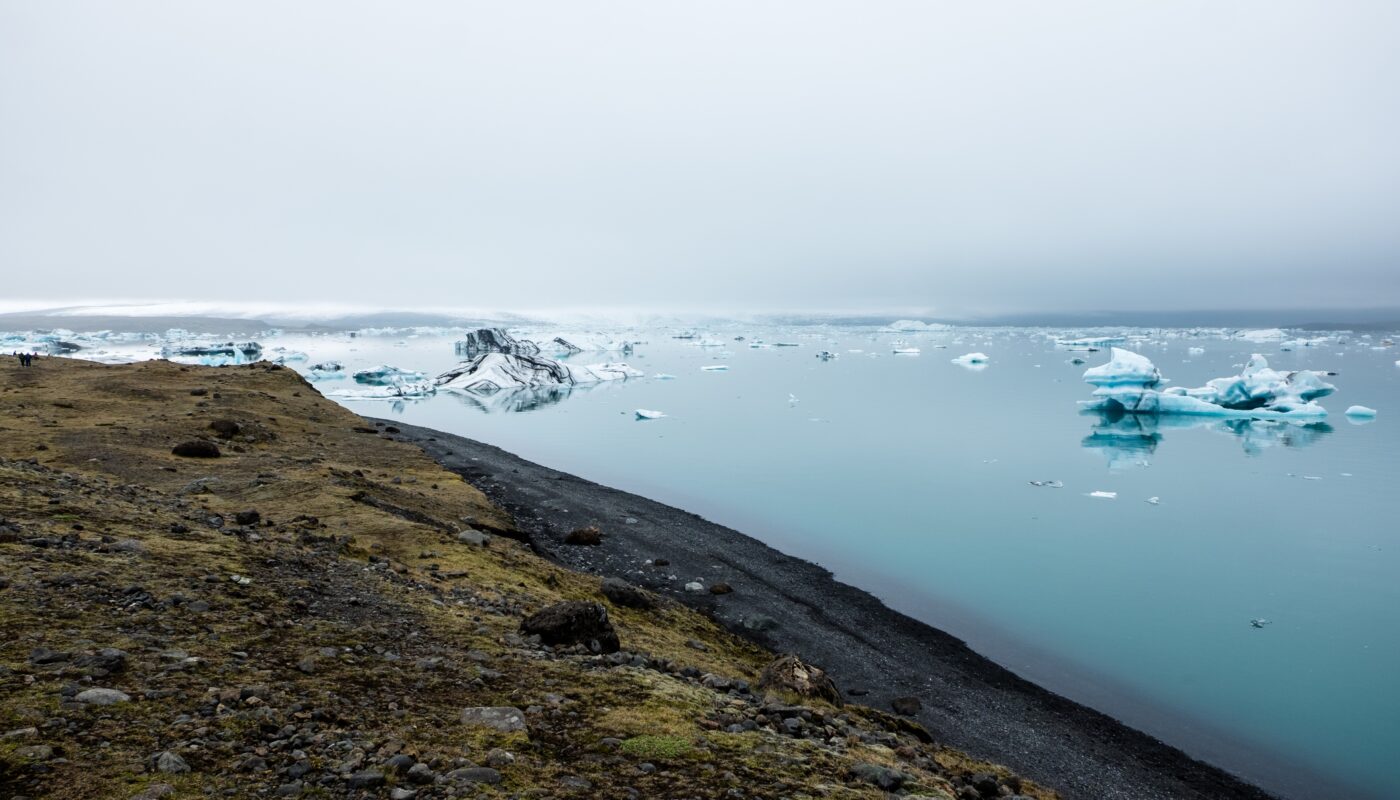
Glacier retreat is also changing Iceland’s tourism landscape. Visitors travel to the country to experience its ice caves, glacier lagoons, and frozen mountain scenery. As glaciers shrink, some familiar attractions may change or become less accessible.
3. The European Alps
The European Alps are among the most closely monitored glacier regions in the world. Stretching across countries such as Switzerland, Austria, France, Italy, and Germany, this mountain system contains thousands of glaciers.
Many Alpine glaciers have experienced substantial reductions in both area and thickness. Warmer summers, reduced snow accumulation, and changes in winter precipitation are contributing to their decline.
Small glaciers are particularly exposed. Because they have limited ice reserves, several years of unusually warm weather can cause significant changes. Some glaciers are becoming disconnected from their surrounding icefields, while others are gradually disappearing.
Switzerland provides a well-known example of this transformation. Its glaciers have lost large amounts of ice over recent decades, affecting mountain valleys and high-altitude landscapes.
The consequences extend beyond scenery. Alpine glaciers help supply water to major European river systems. Their meltwater contributes to rivers that support agriculture, hydropower production, transportation, and urban water needs.
Glacier retreat also affects mountain safety. As ice disappears, previously frozen rock surfaces become exposed. These areas may become unstable, increasing the possibility of rockfalls and landslides.
The Alps demonstrate how rapidly a relatively small glacier region can experience severe losses when temperatures rise.
4. The Himalayas and High Mountain Asia
High Mountain Asia includes some of the world’s highest mountain ranges, particularly the Himalayas, Karakoram, Hindu Kush, and surrounding mountain systems.
This region contains an enormous concentration of glaciers outside the polar areas. Its ice reserves are essential to rivers that supply water to millions of people across several countries.
Glacier behaviour varies considerably across High Mountain Asia. Some areas experience particularly strong melting, while others have more complicated patterns influenced by snowfall, elevation, and regional weather systems.
The Himalayas are especially important because glacier-fed rivers support agriculture, drinking water supplies, hydropower, and natural ecosystems. Seasonal meltwater can become particularly valuable during periods when rainfall is limited.
Pakistan is closely connected to this issue through its northern mountain regions. The Hindu Kush, Karakoram, and Himalayan ranges contain glaciers that contribute to the Indus River system.
As temperatures increase, some glaciers are losing mass and changing their patterns of seasonal runoff. In the short term, additional melting may increase water availability in certain locations. Over time, however, continued ice loss can reduce the amount of stored freshwater available during dry periods.
Another concern is the formation and expansion of glacial lakes. When glaciers retreat, meltwater may collect in depressions surrounded by loose rock and ice. If the natural barriers fail, sudden floods can travel downstream and threaten settlements, roads, bridges, and farmland.
The region’s combination of high population exposure, mountain hazards, and dependence on glacier-fed rivers makes its changing ice conditions particularly significant.
5. Alaska
Alaska is one of the world’s major glacier regions. Its extensive icefields, mountain glaciers, and coastal glaciers contain enormous quantities of frozen freshwater.
Because the region has such a large glacier-covered area, it contributes substantially to global ice loss. Even when scientists compare total ice loss rather than the percentage disappearing, Alaska frequently ranks among the most important contributors.
Several factors influence glacier change in Alaska. Rising air temperatures increase surface melting, while warmer ocean water can accelerate the retreat of glaciers that reach the sea.
Some coastal glaciers lose ice through a process called calving. This occurs when large sections of ice break away from the glacier’s front and enter the ocean. Calving is a natural process, but changes in ocean conditions and glacier stability can influence how quickly it happens.
Alaska’s glaciers also affect local communities. Changes in meltwater can influence river levels, fishing environments, and freshwater ecosystems. In some areas, retreating glaciers expose new land and alter coastal landscapes.
The region is important for scientific research because its glaciers help researchers understand how mountain ice responds to atmospheric and oceanic warming.
6. The Canadian Arctic
The Canadian Arctic contains numerous glaciers and ice caps spread across remote islands and mountainous landscapes.
These frozen areas are especially important because they store substantial quantities of freshwater. Their decline contributes to rising sea levels and changes in Arctic environments.
The Arctic is warming faster than the global average in many locations. This creates conditions that encourage glacier melting and reduce the amount of snow and ice that survives from one year to the next.
Some Canadian Arctic glaciers are experiencing considerable reductions in thickness and surface area. Ice caps that once maintained relatively stable conditions are increasingly struggling to balance annual snowfall against summer melting.
The effects are not limited to glacier boundaries. Changing freshwater flows can influence Arctic rivers, lakes, and coastal ecosystems.
Wildlife may also experience indirect consequences. Species that depend on cold environments and predictable seasonal conditions can be affected as surrounding habitats change.
Because many glaciers in this region are difficult to access, satellites and remote sensing technologies play an essential role in monitoring their condition.
7. The Southern Andes
The Andes Mountains extend along the western edge of South America and contain a wide range of glacier environments.
Glaciers are found in countries including Chile and Argentina, where they provide freshwater to mountain valleys and surrounding communities.
The Southern Andes have experienced considerable glacier changes, although conditions vary between different locations. Temperature increases, changing precipitation, and regional weather patterns all influence how much ice remains.
In some areas, glaciers are losing mass rapidly. Smaller glaciers are particularly vulnerable because they have less ice available to withstand prolonged periods of warming.
Glaciers in Patagonia are also important for tourism. Visitors travel to see dramatic ice formations, glacier lakes, and towering ice fronts. Retreat can change these landscapes and influence access to popular attractions.
Water availability is another important issue. Glacial meltwater supports rivers and ecosystems, and changes in glacier size can affect the amount and timing of freshwater entering surrounding environments.
The Southern Andes show how glacier retreat can influence both natural landscapes and communities that depend on mountain water resources.
8. Greenland’s Peripheral Glaciers
Greenland is home to the world’s second-largest ice sheet, but it also contains separate glaciers and ice caps around its margins.
These peripheral glaciers are different from the main Greenland Ice Sheet, although both contribute to global sea-level rise.
The smaller glaciers surrounding Greenland are vulnerable to warming temperatures. Rising air temperatures increase surface melting, while changing ocean conditions can affect glaciers that extend into coastal waters.
When glaciers lose more ice than they gain through snowfall, their overall mass decreases. Continued losses can reduce their thickness and change the surrounding landscape.
It is important to distinguish between peripheral glaciers and the main ice sheet when comparing regional statistics. They are often measured separately because their sizes, physical behaviour, and contributions to sea-level rise differ.
Greenland’s ice loss has global importance because water released from melting ice eventually enters the ocean and contributes to rising sea levels.
9. Antarctica
Antarctica contains the largest amount of frozen freshwater on Earth. Its ice sheets are far larger than the mountain glaciers found in other regions.
Although Antarctica is not always included in rankings of mountain glacier loss, it must be considered when discussing global ice changes.
The Antarctic Ice Sheet contains two major sections: the East Antarctic Ice Sheet and the West Antarctic Ice Sheet. These areas respond differently to environmental conditions.
In some locations, warmer ocean water reaches the underside of floating ice shelves. This can increase melting and weaken the structures that help slow the movement of land-based ice toward the ocean.
When ice shelves become thinner or lose stability, glaciers behind them may flow more rapidly into the sea. This process can contribute to rising sea levels.
Antarctica also experiences changes in snowfall, surface melting, and sea ice conditions. These factors interact in complicated ways, making the region challenging to study.
Its importance is enormous because even relatively small changes in the stability of major ice-sheet systems can have long-term consequences for coastlines around the world.
10. Why Are Some Regions Losing Ice Faster Than Others?
Glacier loss is not identical everywhere. Several environmental factors determine how quickly ice disappears.
Rising temperatures: Higher temperatures increase surface melting and can extend the period during which glaciers lose ice.
Reduced snowfall: Glaciers depend on snowfall to replace ice lost through melting and other processes. Lower snowfall can weaken their ability to recover.
Glacier size and elevation: Smaller glaciers often have less stored ice and may respond quickly to changing temperatures. High-altitude glaciers may remain colder, although they are not protected from warming.
Ocean conditions: Coastal glaciers can be influenced by warmer ocean water, especially where ice extends into the sea.
Regional weather patterns: Rainfall, snowfall, cloud cover, wind, and seasonal temperature changes all influence glacier behaviour.
These factors explain why two glaciers in the same mountain range may experience different rates of retreat.
11. How Scientists Measure Glacier Loss
Scientists use several methods to understand changes in glacier size and mass.
Satellite observations help researchers compare glacier boundaries over time. They can identify shrinking icefields, changes in glacier lakes, and shifts in glacier fronts.
Measurements of surface elevation provide another important source of information. If a glacier becomes thinner, researchers can estimate how much ice has disappeared.
Field researchers also visit glaciers to measure snowfall, melting, ice movement, and seasonal changes. These observations help confirm information collected from satellites.
Scientists often use three main measurements:
- Mass loss: The total amount of ice a glacier or region loses over a particular period.
- Area-averaged mass change: The amount of ice gained or lost relative to the glacier-covered area.
- Percentage loss: The proportion of a glacier’s original ice that has disappeared.
These measurements are not interchangeable. A small glacier region can experience a very high percentage of ice loss without contributing as much total meltwater as a much larger region.
For this reason, identifying the fastest-losing region requires careful attention to the measurement being used.
12. What Does Rapid Glacier Loss Mean for the Future?
The continued disappearance of glaciers could create serious challenges for natural environments and human communities.
One major concern is freshwater availability. Millions of people depend partly on glacier-fed rivers, particularly in mountainous regions. As glaciers shrink, the timing and amount of seasonal runoff may change.
Rising sea levels are another consequence. Ice lost from land-based glaciers and ice sheets eventually contributes water to the oceans.
Mountain hazards may also become more frequent or more difficult to manage in some locations. Glacial lake outburst floods, unstable slopes, and changing river channels can threaten communities and infrastructure.
Tourism may experience changes as well. Famous glacier destinations could become smaller, less accessible, or visually different from the landscapes visitors remember.
Reducing greenhouse gas emissions is essential for limiting future warming. Monitoring glacier conditions, improving flood-warning systems, protecting water resources, and planning for changing river flows can also help communities prepare.
Conclusion
Glaciers are disappearing across many parts of the world, but the speed and scale of ice loss vary significantly between regions. Western Canada and the United States, Iceland, and Central Europe have experienced particularly severe area-averaged losses in recent assessments. Meanwhile, Alaska, High Mountain Asia, and the Russian Arctic can make major contributions to total global ice loss because of their extensive glacier coverage.
The Himalayas and Karakoram are especially important for communities that depend on glacier-fed rivers, including those living in northern Pakistan and downstream areas of the Indus basin. Greenland and Antarctica also require close attention because changes in their ice systems have major implications for global sea levels.
There is no single answer to which region is losing ice the fastest. The result depends on whether scientists compare percentage loss, ice loss per unit area, or total mass lost. What is clear is that glacier retreat is a widespread environmental change with consequences for freshwater supplies, ecosystems, mountain safety, and coastal communities.