 by
by Glacier landscapes are among the most dramatic and fragile environments on Earth. Towering ice sheets, jagged peaks, and glacial rivers create stunning scenery, but they also conceal hidden dangers. One of the most significant hazards in high mountain regions is the Glacier Lake Outburst Flood (GLOF). These sudden, powerful floods can have devastating effects on downstream communities, infrastructure, and ecosystems. Understanding what GLOFs are, how they form, and why they are increasing in frequency is critical for scientists, policymakers, and mountain travelers alike.
Defining a Glacier Lake Outburst Flood
A Glacier Lake Outburst Flood (GLOF) occurs when water that has accumulated in a glacial lake suddenly escapes. These lakes are typically formed by the melting of glaciers, often dammed naturally by moraines (accumulations of rock and debris left behind by retreating glaciers) or by ice. When the structural integrity of these dams fails, the water is released abruptly, producing a flood that can travel rapidly downstream, sometimes with catastrophic consequences.
Unlike typical river floods, GLOFs are sudden, highly energetic, and can carry large amounts of ice, rocks, and sediment, making them far more destructive. They are considered one of the most serious natural hazards in glacier-fed regions.
How Glacier Lakes Form
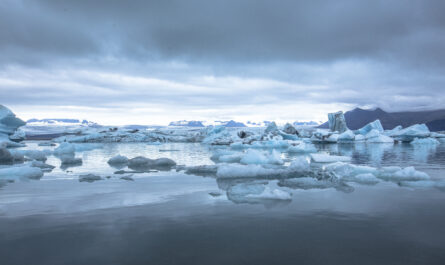
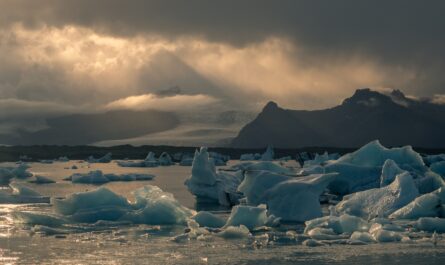
To understand GLOFs, it’s essential to first understand how glacier lakes form. Glaciers are dynamic rivers of ice that slowly flow downhill under the influence of gravity. As they move and melt, they carve depressions in the bedrock and leave behind moraines. When meltwater accumulates in these depressions or behind moraine dams, it forms a glacial lake.
There are several types of glacier lakes:
- Moraine-dammed lakes: Formed behind a ridge of glacial debris (moraine). These are the most common sources of GLOFs.
- Ice-dammed lakes: Formed when a glacier itself blocks a valley or depression, creating a temporary lake.
- Bedrock-dammed lakes: Formed when a depression in the bedrock traps glacial meltwater.
These lakes can remain stable for years or decades. However, changes in water volume, melting ice, or destabilization of the dam can trigger an outburst.
Causes of GLOFs
GLOFs can be triggered by various factors, often in combination. Some of the most common causes include:
1. Moraine or Ice Dam Failure
The natural dams holding glacial lakes can weaken over time due to melting, seepage, or erosion. Once the dam is breached, the accumulated water rushes downstream.
2. Glacier Calving or Ice Avalanches
Large chunks of ice or rock falling into a glacial lake can displace water, generating waves that overtop the dam. This sudden surge can trigger a GLOF.
3. Heavy Rainfall or Rapid Snowmelt
Intense precipitation or sudden warming can dramatically increase the water level in glacial lakes. If the water exceeds the dam’s capacity, it can fail catastrophically.
4. Seismic Activity
Earthquakes or landslides can destabilize moraine dams or ice walls, causing the stored water to escape.
5. Climate Change
Rising global temperatures accelerate glacier melting, creating larger and more numerous glacial lakes. Increased water volume and destabilized dams heighten the risk of GLOFs worldwide.
Characteristics of a GLOF
Glacier lake outburst floods have distinctive features:
- Rapid Onset: Unlike regular river floods, GLOFs can occur suddenly, with little warning.
- High Velocity: The water can flow at tens of meters per second, depending on the slope and volume.
- Sediment-Rich Water: GLOFs often carry rocks, ice, and debris, which increases their destructive power.
- Long Reach: GLOFs can travel tens of kilometers downstream, impacting rivers, valleys, and even coastal areas in some cases.
- Multiple Peaks: Some floods occur in stages, especially if multiple lakes or moraine breaches interact.
Impacts of GLOFs
The consequences of a GLOF can be catastrophic for both human populations and natural environments.
1. Human and Infrastructure Impact
Downstream communities can experience:
- Flooded villages and towns
- Destroyed roads, bridges, and power lines
- Loss of life and property
For example, in 1941, the Tsho Rolpa Lake in Nepal experienced a partial outburst, causing major destruction along downstream valleys. Modern monitoring systems aim to prevent such disasters through early warning.
2. Environmental Impact
GLOFs also significantly affect ecosystems:
- Altered river courses due to sediment deposition
- Loss of vegetation and wildlife habitats
- Changes in water chemistry, affecting aquatic life
The high energy and sediment load of GLOFs can reshape landscapes, leaving long-term ecological consequences.
Notable Examples of GLOFs
- Langtang Valley, Nepal (2015): Triggered by an earthquake, debris and ice from the Langtang glacier caused flooding that devastated villages.
- Dig Tsho Lake, Nepal (1985): A moraine breach caused the outflow of 6 million cubic meters of water, destroying hydropower infrastructure.
- Hubbard Glacier, Alaska (1986): The glacier advanced to block a fjord, creating a lake that eventually triggered an outburst.
These events highlight the potential scale and destructiveness of GLOFs.
Monitoring and Early Warning Systems
Due to the growing risk from climate change, many countries are implementing monitoring and early warning systems:
- Remote Sensing: Satellites track glacial lakes, ice movement, and moraine stability.
- Field Observations: Sensors and stakes measure lake water levels and dam stability.
- Community Alert Systems: Downstream communities receive warnings via sirens, SMS alerts, or radio announcements.
For instance, Nepal’s Tsho Rolpa and Imja Lake are now closely monitored to reduce the risk of sudden floods. Similarly, Norway, Switzerland, and Canada have developed systems to track glacier-fed lakes and predict potential outbursts.
Mitigation Measures
Preventing or minimizing GLOF impacts requires both engineering and environmental approaches:
- Controlled Drainage: Reducing water levels in glacial lakes using siphons, channels, or tunnels to relieve pressure.
- Moraine Reinforcement: Strengthening moraine dams with rockfill or other materials.
- Land-Use Planning: Avoiding construction in high-risk areas downstream of glacial lakes.
- Community Preparedness: Educating residents on evacuation routes and emergency response.
While these measures cannot prevent glacier formation or melting, they significantly reduce the risks associated with outburst floods.
The Link Between Climate Change and GLOFs
Global warming is accelerating glacier retreat worldwide. As glaciers melt, new lakes form and existing lakes expand. Many previously stable moraines now face increased water pressure, raising the probability of GLOFs.
In regions like the Himalayas, Patagonia, and the European Alps, scientists have observed a growing number of glacier lakes since the 1990s. With climate change predicted to continue, the frequency and severity of GLOFs are expected to rise, making monitoring and preparedness increasingly vital.
Conclusion
Glacier Lake Outburst Floods (GLOFs) are one of the most powerful and unpredictable natural hazards associated with mountain environments. They form when water trapped behind ice or moraine dams escapes, often suddenly and with destructive force. Their causes range from dam instability and ice avalanches to earthquakes and rapid snowmelt, with climate change now exacerbating the threat.
GLOFs impact both human communities and ecosystems downstream, and historical events have shown that they can reshape landscapes and destroy infrastructure. Fortunately, advances in monitoring, early warning systems, and mitigation strategies are helping to reduce their risk. Understanding GLOFs is essential not just for scientists and policymakers, but also for mountaineers, trekkers, and anyone living or traveling in glacier-fed regions.
As glaciers continue to retreat and global temperatures rise, the study of GLOFs will remain a critical area of research, reminding us of the delicate balance between natural beauty and natural danger in our planet’s high mountain regions.