 by
by Glaciers are among Earth’s most majestic natural features. Towering rivers of ice slowly carve valleys, shape landscapes, and feed rivers that sustain ecosystems and human populations alike. Yet climate change and rising global temperatures are causing glaciers worldwide to shrink at unprecedented rates. Some are retreating so rapidly that scientists warn they may disappear entirely within decades. But what does it really mean when a glacier vanishes? The disappearance of a glacier is not merely a loss of ice—it triggers a chain reaction affecting landscapes, ecosystems, water supply, sea levels, and even human societies.
This article explores the consequences of a glacier disappearing completely, examining the environmental, geological, ecological, and social impacts of such a profound change.
Understanding Glaciers and Their Role
Before discussing what happens when a glacier disappears, it’s important to understand what glaciers are and why they matter.
A glacier is a large, persistent mass of ice that forms from compacted snow over centuries or even millennia. Unlike sea ice, glaciers rest on land and flow slowly due to gravity. They are dynamic, constantly moving and reshaping the landscapes beneath them.
Glaciers serve multiple crucial functions:
- Freshwater Reservoirs: Approximately 69% of the freshwater on Earth is stored in glaciers. Many rivers rely on glacial melt during warm seasons.
- Sea-Level Regulation: Glaciers act as buffers for sea levels. When glaciers melt, they contribute to rising sea levels.
- Ecosystem Support: Alpine and polar ecosystems depend on the cold meltwater glaciers provide.
- Geological Shaping: Glacial movement carves valleys, fjords, and other landscapes, leaving behind moraines, drumlins, and U-shaped valleys.
When a glacier disappears completely, these functions are disrupted, leading to widespread consequences.
Immediate Geological Impacts
Glaciers are powerful agents of geological change. Their disappearance affects landscapes in several ways:
1. Loss of Glacial Carving and Erosion
While glaciers exist, their slow movement shapes valleys, carves ridges, and smooths mountain surfaces. Without glaciers, these erosive forces stop. Over time, the sharp, dramatic landscapes formed by glacial activity may stabilize, but they will no longer evolve in the same dynamic way.
2. Formation of Proglacial Lakes
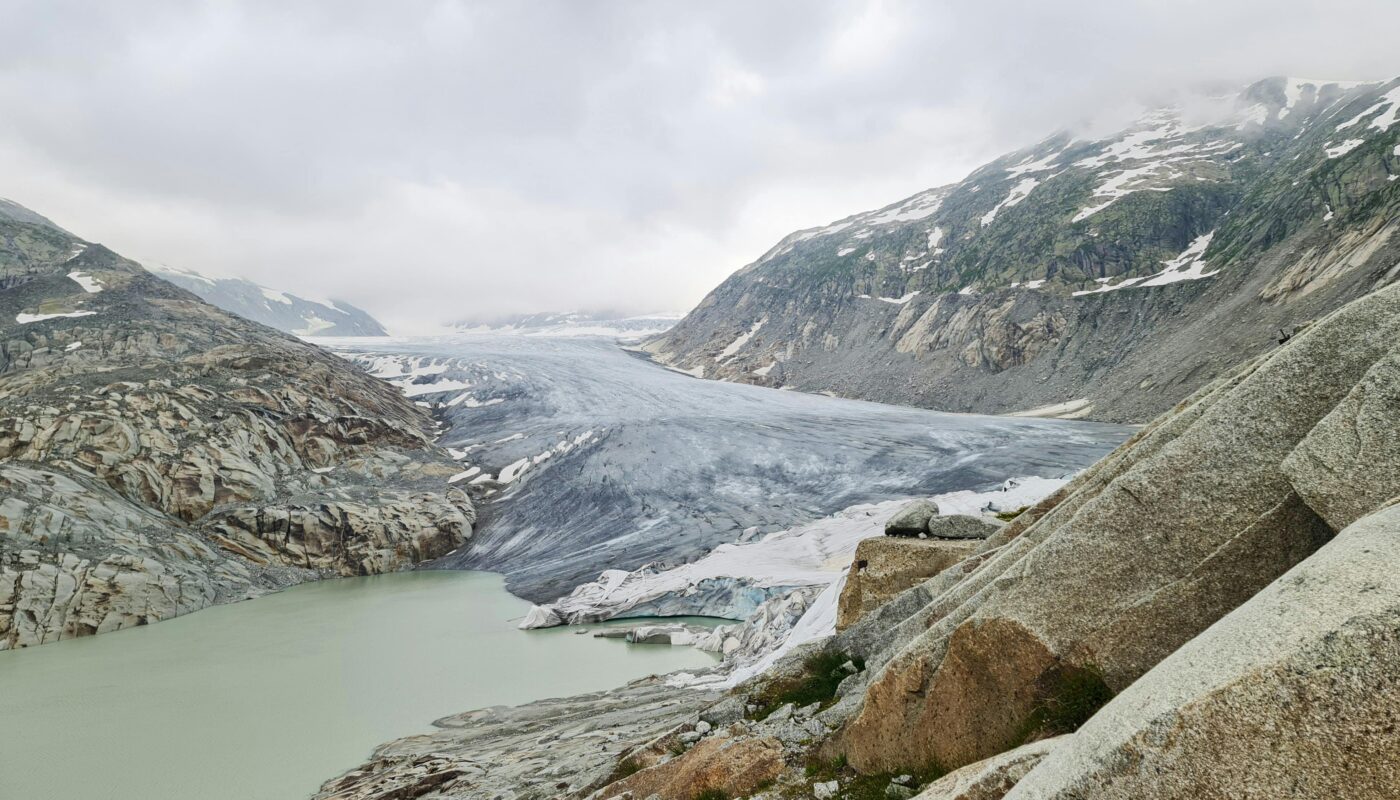
As glaciers retreat, they often leave behind depressions that fill with meltwater, creating proglacial lakes. These lakes can be temporary or long-lasting. However, without the glacier to stabilize the surrounding ice and sediments, such lakes can be prone to sudden glacial lake outburst floods (GLOFs), which can devastate downstream communities.
3. Exposure of Unstable Land
Glaciers exert tremendous pressure on the ground beneath them, compacting soil and rock. When the ice disappears, previously compressed land may become unstable, leading to landslides, rockfalls, and avalanches. Mountainous regions that once had glaciers may see increased geological hazards as a result.
Impact on Rivers and Water Supply
Glacial meltwater is a critical freshwater source in many regions, especially in high mountains. The disappearance of a glacier has significant consequences for water systems:
1. Seasonal Flow Reduction
Many rivers are glacier-fed, meaning they receive significant amounts of water from melting ice during summer months. As glaciers shrink and eventually disappear, the seasonal flow diminishes. Rivers that once swelled predictably in summer may become much lower, affecting irrigation, hydropower, and drinking water availability.
2. Water Shortages for Communities
Regions that depend on glacial meltwater for agriculture or urban water supply may face chronic shortages. In areas like the Himalayas, Andes, and Alps, millions of people rely directly on glacial runoff. A completely vanished glacier can disrupt farming cycles, reduce crop yields, and strain municipal water systems.
3. Increased Variability and Flood Risk
Paradoxically, the disappearance of a glacier can temporarily increase flood risk. As glaciers retreat, meltwater may initially surge, producing floods. Over time, as the ice disappears entirely, rivers can dry up during the warmer months, leading to scarcity. This creates a cycle of unpredictability that communities must adapt to.
Ecological Consequences
Glaciers support unique ecosystems both on land and in water. Their disappearance leads to ecological disruption:
1. Loss of Cold-Water Habitats
Meltwater from glaciers is often cold and oxygen-rich, supporting specialized species in rivers and streams. Salmon and trout populations, for example, can be affected by warmer water temperatures after glaciers vanish. Alpine invertebrates and microorganisms also depend on glacial environments.
2. Vegetation Changes
The retreat of glaciers exposes bare rock and soil. Over time, pioneer plant species colonize these areas, eventually leading to new ecosystems. However, this process is slow, and many specialized alpine plants may be lost permanently if suitable conditions disappear.
3. Impact on Wildlife
Animals adapted to cold, glacial environments—such as snow leopards, mountain goats, and certain bird species—may struggle to survive. Loss of glaciers alters water availability and vegetation patterns, affecting food sources and habitats.
Contribution to Sea-Level Rise
One of the most global consequences of disappearing glaciers is sea-level rise.
Glaciers that rest on land contribute directly to ocean levels when they melt. Estimates suggest that if all glaciers outside Antarctica and Greenland disappeared, global sea levels could rise by roughly 0.3 to 0.5 meters. While this may sound modest, even small increases can dramatically affect low-lying coastal areas, putting millions of people at risk of flooding.
Furthermore, the disappearance of glaciers is often accompanied by accelerated melting of ice sheets, amplifying the impact on global sea levels.
Climatic Feedback Loops
Glaciers also play a role in regulating local and global climate:
- Albedo Effect: Glaciers reflect sunlight due to their bright, icy surfaces. When they vanish, darker land or water is exposed, absorbing more heat and accelerating warming.
- Carbon Release: Some glacial melt exposes ancient soil and vegetation, releasing stored carbon and contributing to greenhouse gas levels.
- Regional Climate Changes: Loss of glaciers can alter wind patterns, precipitation, and temperature locally, affecting entire ecosystems.
These feedback loops make the disappearance of glaciers not only a local issue but a contributor to global climate instability.
Human and Cultural Impacts
Glaciers are not just natural features—they are deeply tied to human history and culture.
1. Loss of Cultural Heritage
In many regions, glaciers are central to local traditions, folklore, and spiritual practices. Indigenous communities in the Andes, Himalayas, and Arctic have long-standing connections to glaciers. Their disappearance represents a loss of cultural identity and heritage.
2. Economic Effects
Tourism is often a major economic driver in glacial regions. Adventure tourism, trekking, and scenic viewing bring revenue to local communities. The disappearance of glaciers could impact livelihoods that depend on visitors seeking these landscapes.
3. Infrastructure Challenges
Glacier retreat can destabilize mountain slopes, threatening roads, bridges, and settlements. Communities downstream may face increased risk of floods and landslides, requiring costly adaptation and relocation efforts.
Scientific Implications
The disappearance of a glacier also has profound implications for scientific research. Glaciers serve as climate archives, preserving layers of snow and ice that contain information about past temperatures, atmospheric composition, and volcanic activity.
When a glacier disappears completely:
- Valuable paleoclimate records are lost forever.
- Opportunities to study glacial dynamics diminish.
- Scientists lose a critical indicator of regional and global climate trends.
Thus, glaciers are not only ecological and hydrological treasures but also invaluable tools for understanding Earth’s history and future.
Adapting to a World Without Glaciers
While the complete disappearance of glaciers poses severe challenges, humans are learning to adapt:
- Water Management: Developing reservoirs and water storage systems to compensate for reduced glacial melt.
- Flood Prevention: Constructing barriers and early-warning systems for glacial lake outburst floods.
- Agricultural Adjustments: Changing crop patterns to cope with altered water availability.
- Conservation Efforts: Protecting newly exposed habitats and guiding ecological succession.
However, adaptation alone cannot replace the unique benefits that glaciers provide, emphasizing the importance of climate action to slow glacial loss.
Conclusion
The disappearance of a glacier is far more than the simple loss of a frozen mass. It triggers cascading effects across geology, hydrology, ecology, climate, and human society. From altered landscapes and rivers to habitat loss, rising seas, and cultural impacts, the consequences are profound and far-reaching.
Glaciers are dynamic symbols of Earth’s balance—majestic yet fragile, powerful yet vulnerable. Protecting them is not just about preserving scenery; it is about maintaining water supplies, supporting ecosystems, safeguarding communities, and understanding our planet’s climate system.
As glaciers continue to retreat under rising temperatures, the world is reminded of the intricate connections between ice, life, and human civilization. Witnessing the disappearance of glaciers is both a warning and an invitation—to act responsibly and to appreciate the extraordinary natural wonders that still remain.