 by
Introduction
The Himalayas are among the most extraordinary mountain systems on Earth. Stretching across several Asian countries, they contain some of the world’s highest peaks, deep valleys, enormous glaciers, and unique high-altitude ecosystems. Their snow-covered mountains are not only breathtaking natural landmarks but also an essential source of freshwater for millions of people.
For centuries, Himalayan glaciers have stored water in the form of ice and released it gradually as temperatures rise. This natural process helps maintain river flows, supports agriculture, provides water for communities, and sustains wildlife. However, rising global temperatures are causing glaciers across the Himalayan region to shrink at an alarming rate.
This raises an important question: what will the Himalayas look like if their glaciers disappear?
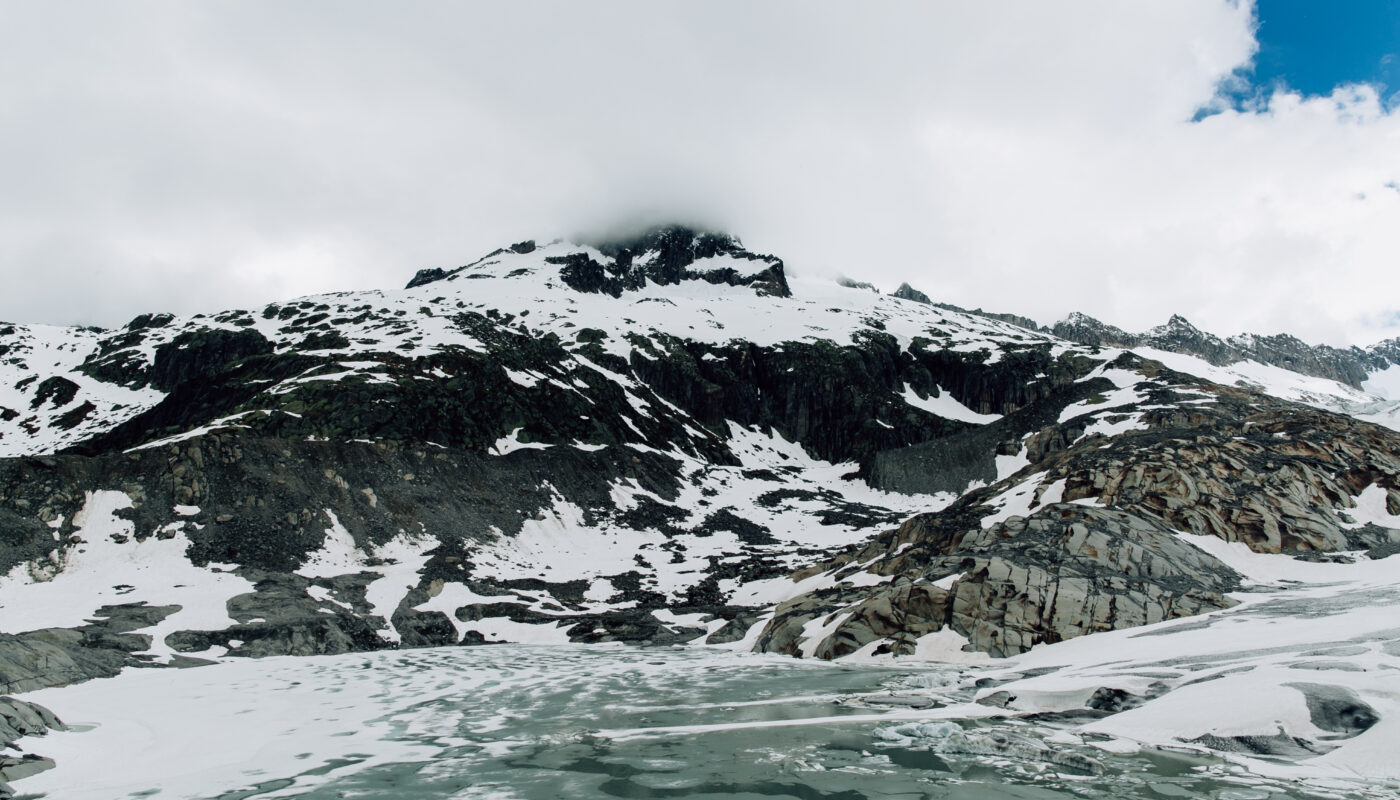
A future without glaciers would be very different from the mountain landscape we recognise today. White ice-covered slopes could give way to exposed rock, unstable mountainsides, newly formed lakes, and expanding areas of bare ground. Rivers could experience more irregular water supplies, while mountain communities would face growing challenges related to agriculture, drinking water, energy, and natural disasters.
The disappearance of glaciers would not simply change the appearance of the Himalayas. It could transform the entire mountain environment and affect communities far beyond the region.
1. The Himalayas Would Lose Their Iconic White Landscapes
One of the most visible changes in a glacier-free Himalaya would be the disappearance of enormous ice formations that currently cover high mountain valleys and slopes.
Glaciers create some of the most recognisable features of the Himalayan landscape. Their enormous ice bodies move slowly through valleys, shape mountain terrain, and connect high-altitude snowfields with lower elevations. Famous glaciers such as the Gangotri Glacier in India, Khumbu Glacier in Nepal, and Baltoro Glacier in Pakistan are important parts of the region’s natural identity.
If these glaciers disappeared, many valleys would look dramatically different.
Instead of long stretches of ice, visitors might see:
- Exposed rock surfaces and steep mountain walls.
- Wide areas of loose stones and gravel.
- Newly uncovered valleys and depressions.
- Patches of vegetation gradually spreading into suitable areas.
- Lakes occupying some former glacier locations.
The mountains would not necessarily become completely brown or lifeless. Snow would continue to fall at high elevations, depending on local temperatures and weather conditions. Some peaks could remain snow-covered during winter, even if their permanent glaciers became much smaller or disappeared.
However, the permanent ice landscapes that have shaped the Himalayas for thousands of years would become increasingly rare.
2. Himalayan Rivers Could Become Less Reliable
Perhaps the most serious consequence of glacier disappearance would be its effect on river systems.
The Himalayas feed several major rivers, including the Indus, Ganges, and Brahmaputra. These rivers support enormous populations across South Asia and provide water for farming, households, industries, and electricity production.
Glaciers act as natural water reservoirs. During warmer months, they release meltwater into streams and rivers. This contribution becomes particularly important when rainfall is limited or seasonal snow has already melted.
If glaciers vanished, rivers would lose an important source of water during dry periods.
The consequences would not necessarily appear immediately. In some glacier-fed river systems, increased melting can temporarily raise water availability. This is sometimes called peak water: the point at which glacier meltwater reaches its maximum before declining as the remaining ice reserve becomes too small to sustain the same contribution.
After peak water, river flows can become increasingly dependent on rainfall and seasonal snowmelt.
This could create serious challenges for communities that rely on predictable water supplies.
For example:
- Farmers could face greater uncertainty when planning irrigation.
- Towns and villages could experience seasonal water shortages.
- Hydropower facilities could receive less dependable water supplies.
- River ecosystems could be affected by changes in flow and temperature.
The impact would vary from one river basin to another. Not every Himalayan river depends equally on glacier melt, and rainfall and seasonal snow remain important sources of water. Nevertheless, losing glaciers would reduce the region’s natural ability to store and release freshwater over time.
3. The Indus River Basin Could Face Serious Water Challenges
The Indus River system is particularly important for Pakistan. Its water supports agriculture, drinking supplies, industry, and electricity generation.
The river receives water from a large network of tributaries originating in the Himalayan, Karakoram, and Hindu Kush mountain systems. Glaciers and seasonal snow contribute to the river’s flow, making the wider mountain cryosphere essential to the region’s water security.
Without these ice reserves, the timing and availability of water could change considerably.
Pakistan’s agricultural sector could be especially vulnerable. Irrigation systems depend on reliable river supplies, while many farming communities already face pressure from water scarcity, population growth, and changing weather conditions.
A future with substantially reduced glacier meltwater could bring several difficulties:
- Less dependable irrigation during dry periods.
- Greater competition between agricultural, domestic, and industrial water users.
- Increased pressure on reservoirs and groundwater.
- Greater uncertainty for farmers growing water-intensive crops.
- More complicated planning for dams and hydropower projects.
This does not mean the Indus would automatically dry up if Himalayan glaciers disappeared. Rainfall, seasonal snow, groundwater, and other tributaries would continue contributing water. However, the loss of glacier storage could make the river system less resilient during periods of low precipitation.
For Pakistan and other downstream countries, protecting water resources and improving water management would become increasingly important.
4. New Lakes Could Appear in Former Glacier Valleys
When a glacier retreats, it sometimes leaves behind a depression or a valley containing water from melting ice and surrounding snow.
In some locations, natural dams made of rocks and loose sediment can hold this water, creating glacial lakes.
A glacier-free or heavily deglaciated Himalaya could contain many more lakes than some valleys have today. These lakes might appear in places that were previously covered by ice.
<em>Glacial lakes are not automatically dangerous.</em> Many remain stable and become valuable features of mountain ecosystems. However, some can create serious risks when water levels rise or natural barriers become unstable.
A glacial lake outburst flood, commonly known as a GLOF, occurs when a lake suddenly releases a large volume of water. The flood can carry mud, rocks, and debris through mountain valleys.
Potential causes include:
- Failure of a natural dam made of ice or loose sediment.
- Large landslides entering a lake and displacing water.
- Sudden structural changes in an ice-dammed lake.
- Heavy rainfall or rapid melting that increases lake levels.
Such floods can damage bridges, roads, villages, farmland, and hydropower infrastructure.
The formation of new lakes therefore presents a complicated picture. Some could become attractive natural features, while others might require continuous monitoring and early-warning systems to protect nearby communities.
5. Mountain Slopes Could Become More Unstable
Glaciers influence the physical stability of mountain environments.
For thousands of years, ice has occupied valleys and supported or pressed against surrounding rock formations. As glaciers retreat, they expose surfaces that may have remained covered for long periods.
This process can leave behind loose material, fractured rock, and steep slopes that are vulnerable to erosion.
In addition, rising temperatures can thaw permafrost, which is ground that remains frozen for at least two consecutive years. In high mountain regions, frozen ground can help hold rock and sediment together.
When permafrost warms and thaws, some slopes may become less stable.
A future with fewer glaciers could therefore involve changes such as:
- More frequent rockfalls in vulnerable locations.
- Increased erosion along exposed glacier valleys.
- Greater movement of loose mountain sediments.
- Landslides following intense rainfall.
- Changes in the stability of roads and mountain settlements.
These hazards would not occur everywhere, and glacier retreat is not the only factor responsible for landslides or rockfalls. Local geology, rainfall, earthquakes, vegetation, and construction activities also influence mountain stability.
Nevertheless, the combined effects of glacier retreat and permafrost thaw could make certain Himalayan areas more difficult and dangerous to inhabit or visit.
6. Himalayan Wildlife Would Face Changing Habitats
The Himalayas support an extraordinary variety of wildlife. Their ecosystems range from subtropical forests and alpine meadows to cold deserts and high-altitude wetlands.
Animals such as snow leopards, Himalayan musk deer, Himalayan tahr, blue sheep, and numerous mountain birds depend on these landscapes.
Glacier disappearance would not directly eliminate all these species. Most Himalayan wildlife does not live on glaciers themselves. However, changes in temperature, water availability, vegetation, and mountain habitats could affect the ecosystems on which they depend.
As temperatures rise, some plants and animals may gradually move towards higher elevations in search of suitable conditions.
This movement can create problems when species run out of available habitat near mountain summits.
Other possible ecological changes include:
- Shifts in the distribution of alpine plants.
- Changes in the availability of food for mountain herbivores.
- Altered water supplies for high-altitude wetlands.
- Changes in breeding and migration patterns.
- Greater competition between species as habitats shift.
Cold-adapted species may face particular pressure because they cannot always move to higher or cooler environments.
The effects would differ between locations. Some newly exposed areas might eventually support vegetation, while other habitats could become drier or less suitable for existing wildlife.
7. Alpine Meadows and Mountain Vegetation Could Expand
One surprising possibility is that some areas previously occupied by glaciers could eventually develop vegetation.
As ice retreats, it exposes rock, sediment, and mineral-rich ground. Over time, hardy plants such as mosses, lichens, grasses, and small flowering species may colonise suitable surfaces.
This process is known as ecological succession.
It usually begins slowly. The first plants must survive strong winds, low temperatures, limited soil, and short growing seasons. Gradually, organic material accumulates, helping create conditions for other species.
In certain locations, the landscape could develop into alpine meadows or support small patches of shrubs and grasses.
However, vegetation would not automatically spread across every former glacier site. Some areas would remain too cold, steep, dry, unstable, or exposed to support significant plant growth.
Furthermore, newly vegetated areas would not necessarily replace the ecological functions of glaciers. A green hillside cannot store and release freshwater in the same way as a large body of ice.
8. Agriculture and Mountain Livelihoods Could Become More Difficult
Millions of people live in and around the Himalayan region, and many depend on natural resources for their livelihoods.
Agriculture is particularly important in mountain valleys and downstream plains. Farmers rely on river water, seasonal snowmelt, rainfall, and local springs to grow crops and maintain livestock.
Glacier loss could make these resources less predictable.
Some communities might experience temporary increases in water availability during periods of accelerated melting. But as ice reserves decline, the contribution from glacier meltwater could eventually decrease.
This could affect farming in several ways.
First, irrigation supplies may become less reliable during dry seasons. Second, changes in rainfall could make planting and harvesting schedules harder to predict. Third, floods and landslides could damage agricultural land and transport routes.
Mountain communities could also face challenges in maintaining traditional livelihoods such as livestock grazing, fruit cultivation, and seasonal tourism.
In some locations, people may need to adjust their crops, improve irrigation systems, collect rainwater, or explore alternative sources of income.
These changes could be expensive, especially for households with limited financial resources.
9. Hydropower Production Could Become Less Predictable
Hydropower is an important source of electricity in several Himalayan countries, including Nepal, India, Bhutan, and Pakistan.
Mountain rivers provide opportunities for generating renewable electricity. However, hydropower facilities depend on sufficient water flowing through rivers and reservoirs.
Glaciers contribute to river systems by releasing stored water during warmer months. Their disappearance could change the seasonal pattern of river flow.
During periods of rapid melting, some rivers may experience unusually high flows. Later, declining glacier reserves could reduce meltwater contributions, particularly during dry seasons.
This creates difficulties for long-term energy planning.
Hydropower projects may need to adapt to:
- Changing seasonal river flows.
- Greater uncertainty in water availability.
- Sediment carried by floods and landslides.
- Damage to infrastructure from extreme events.
- Increased competition for water between different users.
Hydropower would not necessarily become impossible in a glacier-free Himalaya. Rainfall-fed and snowmelt-fed rivers would continue to support electricity generation in many locations.
However, projects designed around historical water patterns may need new operating strategies and improved climate-risk assessments.
10. Himalayan Tourism Could Lose Some of Its Biggest Attractions
The Himalayas attract travellers from around the world. Visitors come to experience towering peaks, glaciers, snow-covered valleys, trekking routes, mountaineering expeditions, and spectacular natural scenery.
Glaciers are an important part of this tourism experience.
Popular destinations such as the Everest region in Nepal, the Baltoro region in Pakistan, and areas around Gangotri in India attract people interested in mountain landscapes and glacier exploration.
If glaciers disappeared, the visual character of these destinations could change.
Tourists might encounter exposed rock instead of extensive ice fields. Some glacier viewpoints could lose their defining features, while certain trekking routes could become more difficult because of unstable terrain or altered water crossings.
The tourism industry could face several consequences:
- Reduced opportunities for glacier-focused tourism.
- Changes in trekking and mountaineering routes.
- Greater risks from landslides and unstable slopes.
- Changes in the appeal of certain mountain destinations.
- Increased demand for alternative nature-based experiences.
However, Himalayan tourism would not disappear. The region would still have extraordinary mountains, forests, valleys, cultural heritage, wildlife, and local communities.
Tourism businesses might adapt by promoting cultural experiences, biodiversity, photography, and sustainable mountain travel rather than relying heavily on glacier-related attractions.
11. The Himalayas Could Become More Vulnerable to Extreme Weather
Glaciers are part of a much larger climate system. Their disappearance would be connected to broader changes in temperature, snowfall, rainfall, and frozen ground.
A warmer Himalayan region could experience changing precipitation patterns. Some areas may receive more intense rainfall, while others could experience longer dry periods.
Rising temperatures can also increase the likelihood of rainfall occurring instead of snowfall at elevations where snow was previously common.
This matters because snowfall and rainfall behave differently in mountain environments.
Snow can remain stored for weeks or months before melting. Rainwater usually runs off more quickly, particularly on steep slopes.
Consequently, a reduction in snow and ice storage could make water flows more sensitive to short-term weather events.
Heavy rainfall combined with unstable slopes can increase the risk of flash floods and landslides. These events may threaten mountain roads, bridges, settlements, and agricultural areas.
It is important to understand that glacier disappearance would not independently cause every extreme weather event. Global warming influences several interconnected climate processes, and the effects vary across the Himalayan region.
12. The Cultural and Spiritual Identity of the Himalayas Could Change
The Himalayas are not simply a geographical feature. They hold deep cultural, spiritual, and historical significance for millions of people.
Many communities consider mountains, rivers, glaciers, and high-altitude lakes sacred. These landscapes are closely connected with religious traditions, local stories, festivals, and traditional knowledge.
In Hindu traditions, the Himalayas are associated with important sacred places and spiritual beliefs. In Buddhist communities across the region, mountains and high-altitude landscapes also hold profound cultural meaning.
Glaciers and snow-covered peaks contribute to the visual identity of many sacred mountain locations.
If these landscapes changed significantly, communities could experience a sense of cultural and emotional loss.
Some pilgrimage routes might become more difficult to access. Sacred lakes and river sources could change. Traditional stories connected with snow and ice might become increasingly disconnected from the landscapes younger generations encounter.
Protecting the Himalayas therefore involves more than conserving physical resources. It also means recognising the cultural relationships between mountain communities and their environment.
13. Will the Himalayas Become Completely Green Without Glaciers?
A common assumption is that a glacier-free Himalaya would eventually become green and covered with forests.
This is unlikely to happen across the entire mountain range.
The Himalayas contain different climatic zones. Their landscapes vary according to altitude, rainfall, sunlight, soil, and geographical location.
Some lower mountain valleys may support forests, shrubs, and grasslands. Certain newly exposed glacier areas could gradually develop vegetation.
However, the highest elevations would remain extremely cold and exposed. Even without glaciers, many mountain slopes would consist of bare rock, gravel, and sparse alpine vegetation.
Some areas could also become drier if changes in precipitation reduce water availability.
The future Himalayas would therefore probably be a mixture of different landscapes rather than one continuous green mountain range.
There could be more vegetation in some places, expanding lakes in others, and extensive areas of exposed rock where glaciers once existed.
14. Can the Himalayan Glaciers Be Saved?
Although glacier retreat is already happening, the future is not completely fixed.
The most important long-term solution is reducing greenhouse gas emissions. Carbon dioxide, methane, and other heat-trapping gases contribute to global warming, which increases the pressure on glaciers.
Limiting future warming can reduce the amount of glacier ice lost over time.
Scientific assessments by the International Centre for Integrated Mountain Development (ICIMOD) show how serious the situation has become. Its 2023 Hindu Kush Himalaya assessment warned that, under a high-emissions pathway, a very large proportion of the region’s current glacier volume could disappear by 2100. The exact outcome depends on future emissions and regional climate conditions.
A more recent ICIMOD assessment published in March 2026 reported that glaciers across the wider Hindu Kush Himalaya lost approximately 12% of their area and 9% of their estimated ice reserves between 1990 and 2020. It also found that ice loss has accelerated since 2000.
Several actions can help reduce future risks:
Reduce greenhouse gas emissions: Governments and industries need to accelerate the transition towards cleaner energy, improve energy efficiency, and reduce dependence on fossil fuels.
Improve glacier monitoring: Scientists need better satellite observations, field measurements, and long-term records to understand how individual glaciers are changing.
Protect mountain ecosystems: Conserving forests, wetlands, and alpine habitats can strengthen the resilience of mountain environments.
Develop early-warning systems: Communities living near potentially dangerous glacial lakes need reliable monitoring, flood alerts, and evacuation plans.
Improve water management: Governments should invest in efficient irrigation, rainwater storage, groundwater management, and better planning for seasonal river flows.
Strengthen regional cooperation: Himalayan rivers cross national borders, making cooperation between countries essential for water management, scientific research, and disaster preparedness.
These measures cannot instantly restore glaciers that have already disappeared. However, they can limit future damage and help communities prepare for environmental changes.
15. What Could the Himalayas Look Like by 2100?
Predicting the exact appearance of the Himalayas in 2100 is difficult because different parts of the mountain system will respond differently to climate change.
The outcome will depend on global greenhouse gas emissions, regional warming, snowfall patterns, local geography, and the size and condition of individual glaciers.
Nevertheless, several broad changes are possible.
In some valleys, glaciers may become much smaller or disappear entirely. Exposed rock and sediment could occupy areas previously covered by ice. New lakes may develop in former glacier basins, and some slopes could become more unstable.
River systems may experience changing seasonal flows, affecting water supplies for agriculture, energy production, and households.
Wildlife habitats could shift towards higher elevations, while some cold-adapted species may struggle to find suitable environments.
Tourism destinations may also look different, requiring local businesses and visitors to adapt to changing landscapes.
It is important to remember that the entire Himalaya will not become glacier-free at the same time. Some large glaciers and high-altitude ice reserves may survive longer than smaller, lower-elevation glaciers.
The future will be uneven, with some locations experiencing major changes earlier than others.
Conclusion: A Different Himalaya, With Consequences Far Beyond Its Mountains
The disappearance of Himalayan glaciers would represent one of the most significant environmental transformations in modern mountain history.
The region could lose many of its iconic ice-covered valleys and become a landscape of exposed rock, changing lakes, shifting vegetation, and increasingly unstable slopes. Its rivers could become less dependable, creating challenges for communities that depend on glacier-fed water.
Wildlife, agriculture, hydropower, tourism, and cultural traditions could all experience the consequences.
Most importantly, the effects would extend far beyond the mountains. The Indus, Ganges, and Brahmaputra river systems support enormous populations across South Asia, making Himalayan environmental change an issue of regional and global importance.
However, a glacier-free Himalaya is not an inevitable outcome everywhere. The amount of ice that survives will depend significantly on the choices made today to reduce global warming.
Protecting the Himalayas means protecting more than frozen landscapes. It means safeguarding freshwater resources, mountain ecosystems, local livelihoods, cultural heritage, and the future of millions of people.
The Himalayas may continue to stand for millions of years, but the glaciers that have shaped their valleys and sustained their rivers are far more vulnerable. Their future is closely connected to the decisions the world makes now.