 by
by Glaciers are often described as the planet’s natural freshwater reservoirs, quietly storing vast amounts of frozen water accumulated over centuries or even millennia. Although they cover only about 10% of Earth’s land surface, glaciers play an essential role in supplying freshwater to millions of people, sustaining rivers, supporting agriculture, generating hydroelectric power, and maintaining ecosystems. However, rising global temperatures are causing glaciers to retreat at unprecedented rates, threatening water security in many parts of the world.
At first glance, glacier melting may seem beneficial because it temporarily increases river flows. Yet this increase is only short-lived. As glaciers continue to shrink, they eventually reach a tipping point where less ice remains to melt each year. This results in declining river flows, particularly during dry seasons when glacier meltwater is most needed. Communities, industries, and ecosystems that have relied on predictable glacier-fed water for generations may face increasing shortages.
Not every region is equally vulnerable. Some areas depend heavily on glacier melt for drinking water, irrigation, hydropower, and biodiversity, while others have alternative water sources such as abundant rainfall or groundwater. Understanding which regions face the greatest risks is critical for planning adaptation strategies and ensuring long-term water security.
This article explores the regions most vulnerable to glacier water loss, why these areas are at risk, and what governments, scientists, and local communities are doing to prepare for a future with less ice.
Why Glaciers Matter for Freshwater
Glaciers act as natural storage systems by accumulating snowfall during colder months and releasing meltwater during warmer seasons.
This gradual release provides:
- Drinking water
- Irrigation for agriculture
- Hydroelectric power
- Industrial water supplies
- Healthy river ecosystems
- Wetlands and lakes
Without glaciers, many rivers would experience much lower flows during dry seasons.
Understanding Peak Water
One of the most important concepts in glacier hydrology is peak water.
Peak water occurs when a glacier reaches its maximum annual meltwater production.
Initially, glacier retreat increases river flow because more ice melts.
Eventually, however:
- Glacier volume decreases.
- Less ice remains.
- Annual meltwater declines.
- Rivers receive less water.
Many glacier-fed basins around the world are approaching or have already passed this point.
Factors That Increase Vulnerability
A region’s vulnerability depends on several factors.
These include:
- Glacier dependence
- Population size
- Climate
- Alternative water sources
- Economic development
- Infrastructure
- Government preparedness
Regions combining high glacier dependence with limited alternatives face the greatest challenges.
The Himalayas
The Himalayas contain one of the largest concentrations of glaciers outside the polar regions.
Often called the “Water Tower of Asia,” these mountains feed many of Asia’s largest rivers.
Major rivers include:
- Ganges
- Brahmaputra
- Indus
- Yangtze
- Mekong
- Salween
These rivers support billions of people.
Why the Himalayas Are Highly Vulnerable
Several factors contribute:
- Rapid glacier retreat
- Population growth
- Agricultural dependence
- Seasonal water shortages
- Expanding cities
As glaciers shrink, downstream communities may experience reduced dry-season water availability.
The Hindu Kush
Stretching across Afghanistan and Pakistan, the Hindu Kush contains thousands of glaciers.
Many communities rely almost entirely on glacier-fed rivers.
Challenges include:
- Water scarcity
- Political instability
- Limited infrastructure
- Climate change
Future water management will become increasingly complex.
The Karakoram
Interestingly, parts of the Karakoram have shown relatively stable glaciers compared with neighboring regions.
Scientists sometimes refer to this as the Karakoram Anomaly.
However, long-term uncertainty remains.
Communities still face potential risks from changing precipitation patterns and glacier dynamics.
The Andes
South America’s Andes stretch over 7,000 kilometers and contain glaciers that support millions of people.
Countries affected include:
- Peru
- Bolivia
- Ecuador
- Chile
- Argentina
- Colombia
Many Andean cities depend on glacier melt.
Peru
Peru has lost a significant portion of its tropical glacier area over recent decades.
Cities including Lima indirectly benefit from glacier-fed watersheds.
Mountain farming also depends on seasonal meltwater.
Bolivia
Bolivia’s glaciers have retreated rapidly.
Some small glaciers have disappeared entirely.
The loss affects:
- Drinking water
- Hydropower
- Agriculture
Communities around La Paz face increasing water management challenges.
Chile
Central Chile experiences prolonged droughts.
Glacier melt helps sustain rivers during dry years.
As glaciers shrink, competition for water between agriculture, cities, mining, and ecosystems intensifies.
The European Alps
Although much smaller than Asian glaciers, Alpine glaciers remain critically important.
Countries include:
- Switzerland
- Austria
- France
- Italy
- Germany
- Slovenia
Why Alpine Water Matters
Glacier-fed rivers support:
- Hydropower
- Tourism
- Agriculture
- Navigation
- Freshwater ecosystems
Summer river flows increasingly depend on glacier melt.
Climate Impacts
The Alps are warming faster than the global average.
Many glaciers have already lost more than half their volume since the nineteenth century.
Future losses are expected to continue.
Scandinavia
Norway and Sweden contain numerous glaciers.
Fortunately, these countries generally possess abundant rainfall and large reservoirs.
While glacier retreat affects tourism and ecosystems, overall water vulnerability remains lower than in many mountain regions.
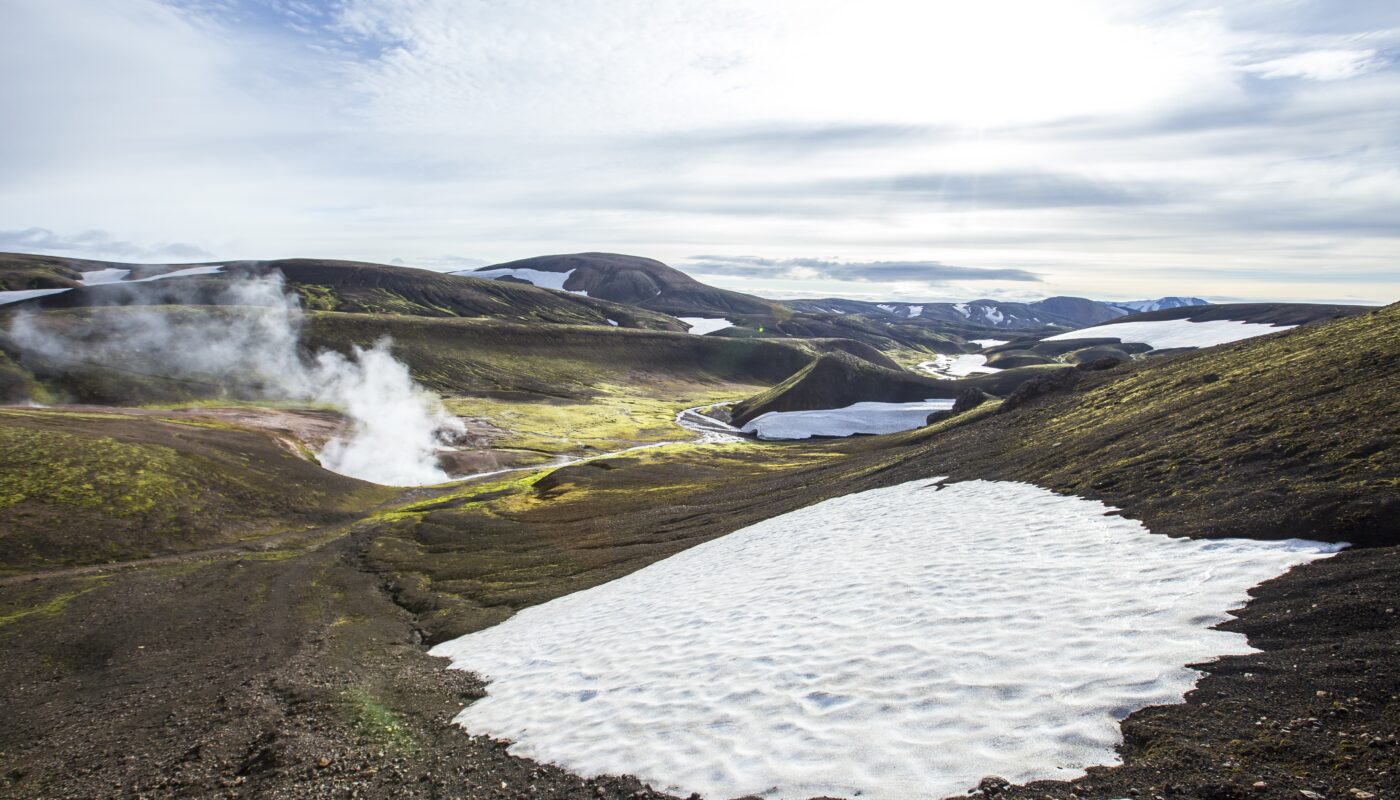
Iceland
Iceland’s glaciers feed rivers used extensively for hydroelectric generation.
As glaciers retreat:
- River patterns change.
- Sediment transport increases.
- Hydropower planning becomes more complex.
However, Iceland’s relatively small population and abundant precipitation reduce water supply risks.
Alaska
Alaska contains some of North America’s largest glaciers.
Although glacier retreat is accelerating, the region generally has plentiful water resources.
Primary concerns include:
- Ecosystem changes
- Salmon habitats
- Coastal sediment transport
- Infrastructure impacts
Water shortages are less severe than elsewhere.
Western Canada
The Canadian Rockies supply water to important river systems.
Glacier melt contributes to:
- Prairie agriculture
- Municipal water
- Hydropower
- Fisheries
Late-summer river flows are particularly vulnerable.
The Pacific Northwest
The Cascade Mountains support glaciers that feed rivers in the United States and Canada.
As glaciers shrink:
- Summer streamflow declines.
- Water temperatures increase.
- Salmon populations face additional stress.
Hydropower systems also experience changing runoff patterns.
Central Asia
Central Asia represents one of the world’s most vulnerable glacier-dependent regions.
Countries include:
- Kazakhstan
- Kyrgyzstan
- Tajikistan
- Uzbekistan
- Turkmenistan
Major rivers originate in glacier-covered mountains.
Agriculture depends heavily on irrigation.
Water Challenges
Future concerns include:
- Cross-border water disputes
- Growing populations
- Irrigation demand
- Climate warming
Regional cooperation will be essential.
The Caucasus
Glaciers in Georgia and neighboring countries are shrinking steadily.
Communities may experience:
- Reduced summer water
- Increased flood risk
- Landslides
- Hydropower changes
New Zealand
The Southern Alps contain numerous glaciers.
Although important for tourism and ecosystems, most communities rely less heavily on glacier melt because rainfall is abundant.
Water vulnerability is relatively moderate.
Greenland
Greenland contains the world’s second-largest ice sheet.
Its melting contributes significantly to global sea-level rise.
However, local water scarcity is generally limited because freshwater availability remains high.
Antarctica
Antarctica stores about 70% of Earth’s freshwater.
Most melting currently affects global sea level rather than regional water supplies.
Human dependence on Antarctic meltwater remains minimal.
Tropical Glaciers
Tropical glaciers occur in:
- Peru
- Ecuador
- Colombia
- Uganda
- Kenya
- Tanzania
- Indonesia
These glaciers are among the fastest disappearing.
Because many communities developed around reliable glacier-fed rivers, vulnerability is especially high.
Small Island Mountains
Some islands with glacier-fed watersheds face unique risks.
Although glacier coverage is limited, mountain snow and ice regulate seasonal water availability.
Any decline affects relatively small freshwater systems.
Agriculture at Risk
Agriculture is one of the sectors most affected by glacier water loss.
Reduced irrigation threatens:
- Crop yields
- Food security
- Rural livelihoods
Regions dependent on glacier-fed irrigation canals may require major adaptation investments.
Hydroelectric Power
Many countries generate electricity from glacier-fed rivers.
Declining meltwater may reduce:
- Reservoir inflows
- Power generation
- Energy reliability
Hydropower operators increasingly incorporate glacier projections into planning.
Ecosystem Consequences
River ecosystems also depend on glacier melt.
Reduced flows influence:
- Fish migration
- Wetlands
- Aquatic insects
- Water quality
- Biodiversity
Cold-water species are particularly vulnerable.
Economic Impacts
Water shortages affect:
- Tourism
- Industry
- Manufacturing
- Transportation
- Fisheries
Mountain communities often face disproportionate economic challenges.
Adaptation Strategies
Governments are pursuing numerous solutions.
These include:
- Reservoir construction
- Improved irrigation efficiency
- Water recycling
- Glacier monitoring
- Early warning systems
- Climate adaptation planning
No single strategy solves every problem.
International Cooperation
Many glacier-fed rivers cross international borders.
Successful adaptation requires cooperation through:
- Shared data
- Water treaties
- Joint infrastructure
- Climate research
Regional collaboration reduces conflict and improves water management.
The Role of Science
Scientists use advanced technologies to monitor glacier change.
These include:
- Satellite imagery
- GPS measurements
- Drone surveys
- Climate models
- River flow monitoring
Accurate observations help policymakers make informed decisions.
What Individuals Can Do
Although glacier loss is a global issue, individuals can contribute by:
- Conserving water
- Supporting renewable energy
- Reducing greenhouse gas emissions
- Protecting mountain ecosystems
- Supporting climate research and education
Collective action helps reduce long-term risks.
Looking Ahead
The future of glacier-fed water resources will vary from region to region. Some areas may continue receiving sufficient meltwater for decades, while others are already experiencing declining river flows. Population growth, climate change, land use, and water management practices will all influence how communities adapt to changing conditions.
Investment in scientific monitoring, resilient infrastructure, sustainable agriculture, and international cooperation will be increasingly important. Regions that prepare early are more likely to manage future water challenges successfully, while those with limited resources may face greater difficulties.
Conclusion
Glacier water loss is one of the most significant environmental challenges of the twenty-first century, affecting not only mountain landscapes but also the billions of people who depend on glacier-fed rivers for drinking water, agriculture, energy, and healthy ecosystems. While glaciers around the world are retreating, vulnerability varies considerably. Regions such as the Himalayas, Andes, Central Asia, the European Alps, and parts of western North America face particularly serious risks because of their reliance on seasonal glacier melt and growing water demands.
Understanding concepts such as peak water, glacier dependence, and regional climate variability helps illustrate why some communities are more exposed than others. Fortunately, advances in glacier monitoring, climate science, and water management provide valuable tools for planning adaptation strategies. Reservoir development, efficient irrigation, ecosystem conservation, international cooperation, and climate mitigation efforts all play essential roles in preparing for a future with less glacier ice.
Ultimately, glaciers are more than frozen landscapes—they are vital components of Earth’s freshwater system. Protecting them through global climate action while adapting to inevitable changes will be essential for ensuring water security, ecological resilience, and sustainable development for generations to come.