 by
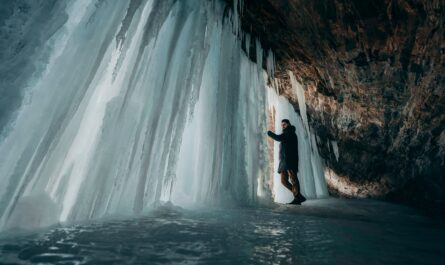
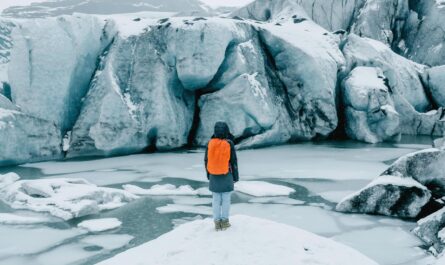
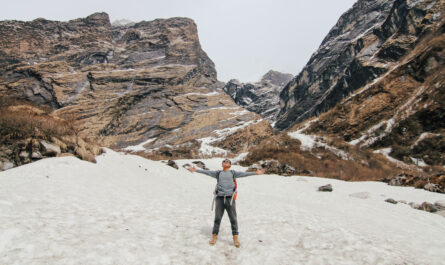
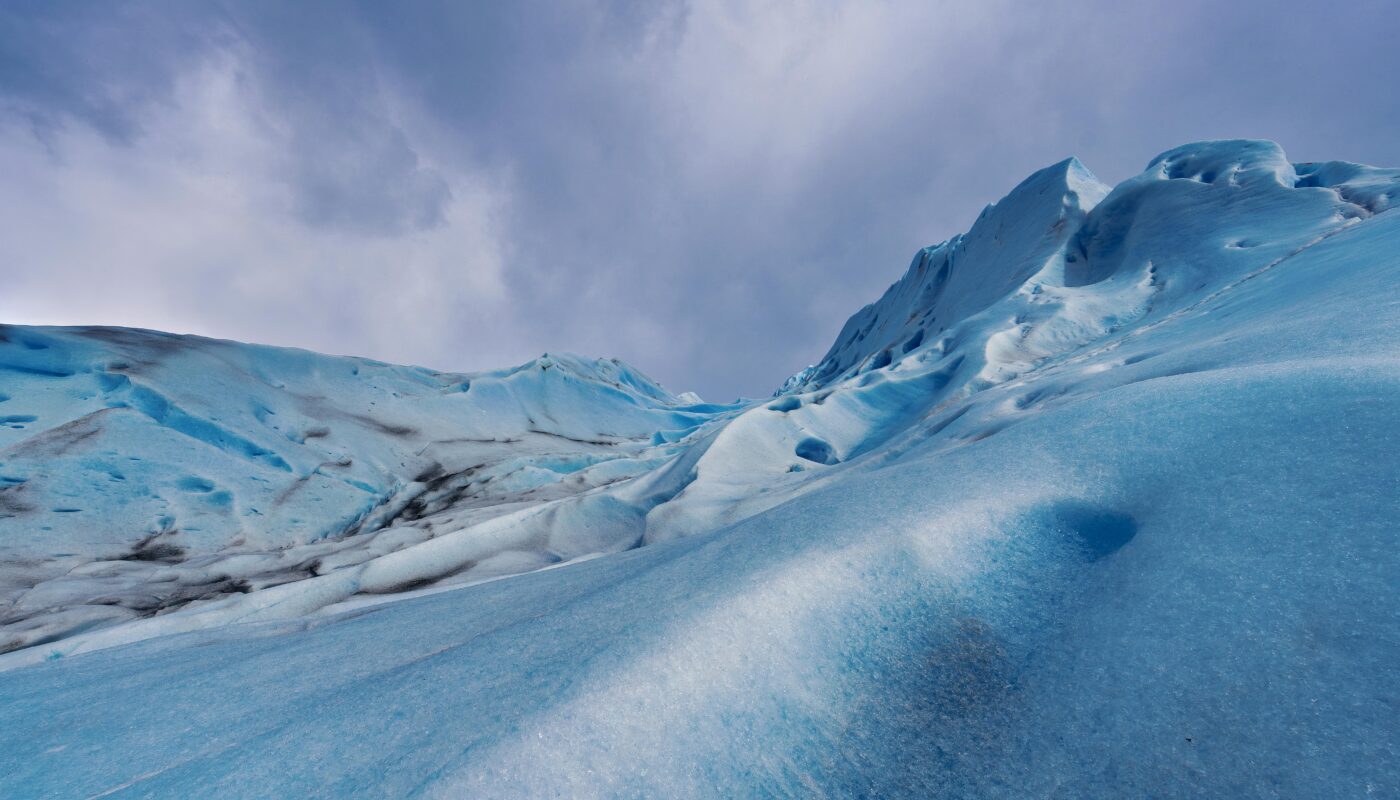
by Glaciers are among the most extraordinary natural wonders on Earth. These immense rivers of ice have shaped mountains, carved valleys, created fjords, and influenced ecosystems for thousands of years. For travelers, glaciers offer something rare in modern tourism: a direct encounter with raw geological power and ancient natural history.
Across the world, glacier tourism has become increasingly popular. Adventurers hike across blue ice fields, photographers chase reflections in glacial lakes, cruise ships sail past towering ice walls, and scientists study glaciers to better understand climate change. Some travelers seek dramatic Arctic landscapes, while others prefer accessible glacier walks suitable for families and casual visitors.
Not every glacier destination offers the same experience. Some countries are known for enormous polar ice sheets, others for easily accessible alpine glaciers, and some for dramatic glacier-fjord combinations that create breathtaking scenery.
This article explores the best countries in the world for glacier tourism, highlighting what makes each destination unique, the experiences travelers can expect, and why glaciers continue to fascinate people across cultures and generations.
Why Glacier Tourism Has Become So Popular
Glacier tourism appeals to travelers for many different reasons.
For some, glaciers represent adventure and wilderness. For others, they provide opportunities for photography, scientific curiosity, or environmental awareness. Many visitors are simply drawn to landscapes that feel untouched and ancient.
Several factors have contributed to the growth of glacier tourism:
- Increased accessibility to remote destinations
- Growing interest in nature-based travel
- Climate change awareness
- Adventure tourism trends
- Social media photography culture
- Improved transportation infrastructure
Glaciers also offer dramatic visual contrasts rarely found elsewhere. Ice fields sit beside forests, fjords, volcanoes, mountains, and oceans, creating landscapes of remarkable beauty.
Iceland: The Ultimate Glacier Tourism Destination
Iceland is widely considered one of the world’s greatest glacier tourism destinations because glaciers are deeply integrated into the country’s geography and travel culture.
Roughly eleven percent of Iceland is covered by glaciers, and many are surprisingly accessible.
Why Iceland Stands Out
Iceland combines glaciers with:
- Volcanoes
- Black sand beaches
- Ice caves
- Waterfalls
- Lava fields
- Geothermal activity
Few places on Earth offer such dramatic contrasts between fire and ice.
Vatnajökull National Park
The crown jewel of Icelandic glacier tourism is Vatnajökull, Europe’s largest glacier by volume.
Visitors can experience:
- Guided glacier hikes
- Ice cave tours
- Snowmobile excursions
- Glacier lagoons
- Ice climbing adventures
Jökulsárlón Glacier Lagoon, where icebergs drift toward the sea, has become one of Iceland’s most photographed locations.
Accessibility
One reason Iceland ranks so highly is convenience. Travelers can access major glacier attractions through well-developed roads and guided tours without requiring extreme wilderness expeditions.
Norway: Glaciers and Fjords Together
Norway offers one of the most visually spectacular glacier tourism experiences in the world because its glaciers exist within dramatic fjord landscapes.
Massive ice fields descend toward deep blue waterways surrounded by towering mountains.
Jostedalsbreen
Norway’s most famous glacier is Jostedalsbreen, the largest glacier on mainland Europe.
Its glacier arms extend into valleys where visitors can:
- Join glacier hikes
- Explore glacial lakes
- Kayak near ice formations
- Visit glacier museums
- Walk scenic mountain trails
Scenic Diversity
What makes Norway special is the combination of glaciers with:
- Fjords
- Waterfalls
- Coastal villages
- Mountain roads
- Northern landscapes
This diversity creates a more varied travel experience than destinations focused solely on ice.
Sustainable Tourism Focus
Norway has also become known for responsible nature tourism and environmental protection, which appeals to eco-conscious travelers.
New Zealand: Glaciers Near Rainforests
New Zealand offers one of the world’s most unusual glacier environments.
On the country’s South Island, glaciers descend remarkably close to temperate rainforests and coastal ecosystems.
Franz Josef and Fox Glacier
The country’s most famous glaciers are:
- Franz Josef Glacier
- Fox Glacier
These glaciers became internationally famous because visitors could once walk relatively close to glacier fronts without difficult alpine expeditions.
A Unique Landscape Combination
Few glacier destinations combine:
- Rainforests
- Mountains
- Beaches
- Ice fields
within such short distances.
Adventure Tourism Capital
New Zealand’s glacier tourism industry is strongly connected to adventure travel.
Popular activities include:
- Helicopter glacier landings
- Ice hiking
- Scenic flights
- Alpine climbing
- Glacier photography tours
The dramatic scenery of New Zealand’s Southern Alps adds to the appeal.
Switzerland: Alpine Glacier Elegance
Switzerland has long been associated with alpine tourism, and glaciers remain central to the country’s mountain identity.
Although Swiss glaciers are shrinking rapidly due to climate change, they still attract millions of visitors.
Easy Access and Infrastructure
Switzerland excels in glacier accessibility.
Visitors can reach glacier regions through:
- Scenic trains
- Cable cars
- Mountain railways
- Well-maintained hiking routes
This makes Swiss glaciers ideal for travelers who want alpine glacier experiences without extreme physical demands.
Famous Glacier Destinations
Popular glacier areas include:
- Aletsch Glacier
- Jungfraujoch
- Glacier 3000
- Morteratsch Glacier
A UNESCO World Heritage Site, the Aletsch Glacier is the biggest glacier in the Alps.
Luxury and Comfort
Switzerland uniquely combines glacier tourism with luxury alpine hospitality, fine dining, and world-class transportation.
Canada: Vast Wilderness Glaciers
Canada contains enormous glacier regions stretching across the Rocky Mountains and Arctic territories.
For travelers seeking wilderness and scale, Canada offers some of the most impressive glacier tourism experiences anywhere.
The Icefields Parkway
One of Canada’s most famous scenic drives is the Icefields Parkway connecting Banff and Jasper National Parks.
This route passes:
- Glacial lakes
- Ice fields
- Mountain valleys
- Snow-covered peaks
Columbia Icefield
The Columbia Icefield is one of the largest ice masses in North America south of the Arctic Circle.
Visitors can:
- Ride specialized glacier vehicles
- Walk on ancient ice
- Explore skywalk viewpoints
- Learn about glaciology and climate change
Wildlife and Nature
Canadian glacier tourism also includes opportunities to see:
- Bears
- Elk
- Mountain goats
- Wolves
- Alpine ecosystems
The combination of glaciers and wildlife makes Canada especially appealing to nature lovers.
Argentina: Patagonia’s Frozen Giants
Argentina’s Patagonia region contains some of the most famous glaciers in South America.
The country offers a raw, windswept glacier environment filled with dramatic landscapes.
Perito Moreno Glacier
Argentina’s most famous glacier is Perito Moreno in Los Glaciares National Park.
Unlike many glaciers worldwide, Perito Moreno remains relatively stable and continues advancing in some areas.
Spectacular Ice Calving
One of the glacier’s most famous features is the dramatic collapse of ice chunks into the lake below.
Visitors gather on viewing platforms to witness thunderous ice falls from enormous blue walls.
Adventure Opportunities
Patagonia also offers:
- Glacier trekking
- Boat tours
- Mountain climbing
- Remote hiking expeditions
The rugged scenery of Patagonia gives glacier tourism here a wild and untamed character.
Chile: Remote Ice Fields and Fjords
Neighboring Chile shares Patagonia’s glacial landscapes but offers additional fjord and coastal glacier experiences.
Southern Chile contains parts of the massive Southern Patagonian Ice Field, one of the largest ice masses outside Antarctica.
Torres del Paine Region
Chile’s glacier tourism often combines glaciers with:
- Granite mountain towers
- Fjords
- Remote wilderness
- Wildlife observation
Expedition-Style Travel
Compared to Switzerland or Iceland, Chile’s glacier tourism feels more remote and adventurous.
Travelers often explore glaciers through:
- Multi-day treks
- Boat expeditions
- Remote lodges
- National park journeys
Alaska, United States: Glacier Wilderness on a Massive Scale
Alaska offers some of the world’s most dramatic glacier tourism experiences.
The state contains more glaciers than the rest of the United States combined.
Glacier Variety
Alaska features:
- Tidewater glaciers
- Valley glaciers
- Ice fields
- Mountain glaciers
- Coastal glacier systems
Popular Glacier Experiences
Travelers can enjoy:
- Glacier cruises
- Flightseeing tours
- Dog sledding on glaciers
- Kayaking near icebergs
- National park exploration
Glacier Bay National Park
One of Alaska’s most famous glacier destinations is Glacier Bay National Park, where visitors witness enormous tidewater glaciers reaching directly into the ocean.
The sheer scale of Alaskan glaciers leaves a strong impression on travelers.
Greenland: Arctic Ice on a Grand Scale
For travelers seeking truly polar glacier experiences, Greenland is unmatched.
Much of Greenland is covered by the Greenland Ice Sheet, the second-largest body of ice on Earth after Antarctica.
Extreme Arctic Landscapes
Greenland offers:
- Massive icebergs
- Remote Arctic settlements
- Polar fjords
- Dog sledding traditions
- Midnight sun and northern lights
Ilulissat Icefjord
One of Greenland’s most famous glacier tourism sites is Ilulissat Icefjord, where enormous icebergs drift from the Sermeq Kujalleq glacier.
The landscape feels ancient, isolated, and overwhelmingly powerful.
Nepal: Himalayan Glaciers
Although Nepal is better known for trekking and mountain climbing, glaciers play a major role in the Himalayan environment.
Everest Region
Trekkers in the Everest region encounter glaciers such as:
- Khumbu Glacier
- Ngozumpa Glacier
These glaciers form part of the dramatic scenery surrounding the world’s highest mountains.
Spiritual and Cultural Context
What makes Himalayan glacier tourism unique is the combination of glaciers with:
- Buddhist culture
- Sherpa communities
- Ancient monasteries
- Extreme mountain environments
Why Glacier Tourism Matters
Glacier tourism is not only about scenery and adventure. It is crucial for environmental awareness as well.
Many travelers visit glaciers precisely because they are disappearing.
Climate Change Awareness
Shrinking glaciers have become visible symbols of global warming.
Visitors often witness:
- Retreating ice fronts
- Newly formed lakes
- Reduced snow cover
- Changes in glacier size over time
These experiences create emotional connections to climate science that statistics alone cannot provide.
Responsible Glacier Tourism
As glacier tourism grows, sustainability becomes increasingly important.
Travelers can reduce their impact by:
- Following marked trails
- Using certified guides
- Respecting protected areas
- Minimizing waste
- Supporting eco-conscious operators
Protecting glacier environments is essential because these ecosystems are fragile and highly sensitive to climate change.
Final Thoughts
The best countries for glacier tourism each offer something unique.
Iceland delivers dramatic contrasts between volcanoes and ice. Norway combines glaciers with fjords and waterfalls. Switzerland offers accessibility and alpine elegance. Canada and Alaska provide wilderness on an immense scale. Patagonia feels raw and untamed, while Greenland offers true Arctic isolation.
What unites all glacier destinations is the extraordinary feeling of standing beside ancient ice shaped over thousands of years.
Glaciers remind travelers of nature’s immense power, beauty, and fragility. They are landscapes that inspire awe while also encouraging reflection about the future of the planet.
For photographers, hikers, adventurers, scientists, and ordinary travelers alike, glacier tourism offers more than sightseeing. It provides a rare opportunity to encounter some of Earth’s oldest and most remarkable natural wonders before many of them change forever.