 by
by Glacier tours sit in a curious place in the world of travel. They are often marketed as unforgettable, bucket-list experiences—yet they also come with price tags that can make even seasoned travelers hesitate. Spending hundreds of dollars for a few hours on ice raises a fair question: is it truly worth it?
The answer depends less on the glacier itself and more on what you expect from travel. Some people walk away calling it the highlight of their trip, while others feel they could have skipped it without missing much. This guide offers a clear, honest breakdown—no hype, no exaggeration—so you can decide where you stand.
What You’re Actually Paying For
At first glance, glacier tours may seem overpriced. After all, you are essentially paying to walk on ice. But the cost reflects far more than that simple description suggests.
When you book a glacier tour, you are typically paying for:
- Professional guides trained in navigating hazardous terrain
- Safety equipment such as crampons, helmets, and harnesses
- Access to restricted or difficult-to-reach areas
- Logistics, including transportation across rugged landscapes
Glaciers are not static or predictable environments. They shift constantly, forming cracks, unstable surfaces, and hidden crevasses. Without proper knowledge and equipment, exploring one independently would be risky.
So while the price may feel steep, it includes a layer of safety and expertise that cannot easily be replicated on your own.
The Cost Spectrum: From Moderate to Premium
Glacier experiences vary widely in price depending on location and type.
- Entry-level guided walks tend to be the most affordable
- Full-day treks increase in cost due to time and difficulty
- Helicopter or flight-assisted tours sit at the highest end
In some cases, the most expensive part of the experience is not the glacier itself, but the logistics required to reach it. Remote icefields often require specialized transport, which significantly raises the price.
It’s also worth noting that the actual time spent on the glacier can be shorter than expected. Some tours include only a limited window on the ice, with the rest of the time spent on travel, preparation, and safety briefings.
What Makes Glacier Tours Unique
The strongest argument in favor of glacier tours is simple: there is no easy substitute.
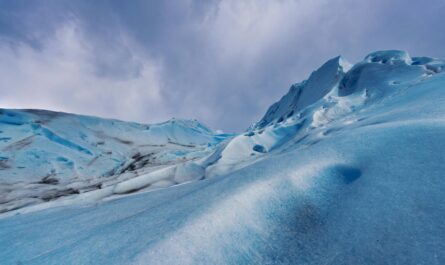
Standing on a glacier is fundamentally different from looking at one. The surface is textured, layered, and constantly evolving. Colors shift from white to deep blue, and cracks in the ice reveal depth and movement.
This is not just sightseeing—it is immersion.
Unlike many travel experiences that can be approximated through photos or viewpoints, glacier tours offer a physical connection to a landscape that feels almost otherworldly.
The Value of Access
One of the most overlooked aspects of glacier tours is access.
Many glaciers cannot be reached safely without a guide. Even when they appear close from a distance, the terrain leading to them can be complex or dangerous.
By joining a tour, you gain entry to places that would otherwise remain out of reach. This includes:
- Ice caves hidden within the glacier
- Elevated viewpoints on the ice surface
- Areas with unique formations or features
In this sense, the tour is not just an activity—it is a gateway.
Where the Experience Shines
For many travelers, glacier tours are memorable because they combine several elements at once:
Physical Engagement
Walking on ice requires balance and awareness. It’s an active experience, not a passive one.
Visual Impact
The scale and texture of glaciers are difficult to fully appreciate from a distance.
Emotional Resonance
There is something powerful about standing on a formation that has existed for thousands of years.
These layers combine to create an experience that often feels more meaningful than typical sightseeing.
Where Glacier Tours Can Disappoint
Despite their appeal, glacier tours are not universally satisfying. There are several reasons why some travelers feel underwhelmed.
Limited Time on Ice
One of the most common frustrations is the short duration of actual glacier walking. Preparation, transport, and safety procedures can take up a large portion of the tour.
Structured Format
Many tours follow fixed routes and schedules. While this ensures safety, it can reduce the sense of exploration.
Crowds
In popular destinations, you may share the glacier with multiple groups. This can affect the feeling of isolation that many expect.
Weather Dependence
Glacier environments are highly sensitive to weather. Poor conditions can limit visibility or even lead to cancellations.
Alternatives to Consider
If you are unsure about committing to a full glacier tour, there are other ways to experience these landscapes.
Scenic Viewpoints
Many glaciers can be admired from nearby trails or observation points at little to no cost.
Boat Tours
In some regions, boats allow you to approach glaciers from the water, offering impressive views without stepping onto the ice.
Nearby Hikes
Trails around glacier areas often provide excellent perspectives and a sense of scale.
While these options lack the immersive aspect of walking on a glacier, they can still be rewarding.
Matching the Experience to Your Travel Style
Whether a glacier tour feels worth it often depends on your personal travel preferences.
It’s likely worth it if you:
- Seek unique, hands-on experiences
- Enjoy guided activities with expert insight
- Are visiting a glacier region for the first time
It may not be worth it if you:
- Prefer independent exploration
- Dislike group settings
- Are focused on minimizing expenses
Making the best choice requires an understanding of your own priorities.
The Role of Expectations
Expectations play a major role in how a glacier tour is perceived.
If you expect:
- Hours of uninterrupted exploration
- Complete solitude
- Total freedom to roam
You may feel disappointed.
However, if you approach the experience as:
- A guided introduction to a complex environment
- A safe way to access a rare landscape
- A structured but meaningful activity
You are more likely to find value in it.
The Intangible Factor: Memory vs Cost
One of the most difficult aspects to measure is the lasting impact of the experience.
Travel decisions are often judged not just by cost, but by memory.
Years later, you may not remember the exact price you paid—but you are likely to remember:
- The feeling of stepping onto the ice
- The sound of your footsteps on its surface
- The sense of scale and stillness
For many travelers, this lasting impression outweighs the financial cost.
A Balanced Verdict
So, are glacier tours worth the money?
The most honest answer is this: they are worth it for some people, in some situations—but not universally.
They tend to be worth it when:
- You value rare and immersive experiences
- You choose a tour that matches your expectations
- You are comfortable with the cost
They may not feel worth it when:
- You prioritize budget above all else
- You expect a completely independent experience
- You are satisfied with viewing glaciers from a distance
Final Thoughts
Glacier tours are not just about seeing ice—they are about stepping into an environment that few people experience up close.
They come with a high price, but also offer something difficult to replicate: direct interaction with a landscape shaped over thousands of years.
For some, that interaction becomes a highlight of their travels. For others, it may feel like an expensive addition rather than a necessity.
The key is not whether glacier tours are objectively “worth it,” but whether they align with what you want from your journey.
If you are looking for something memorable, immersive, and unlike anything else, a glacier tour may justify every dollar. If not, there are still many ways to appreciate glaciers without stepping onto them.