 by
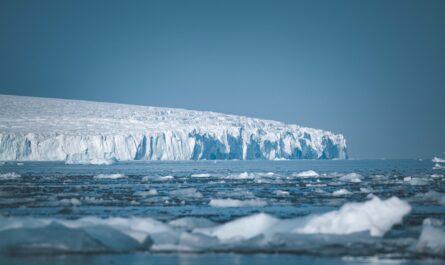
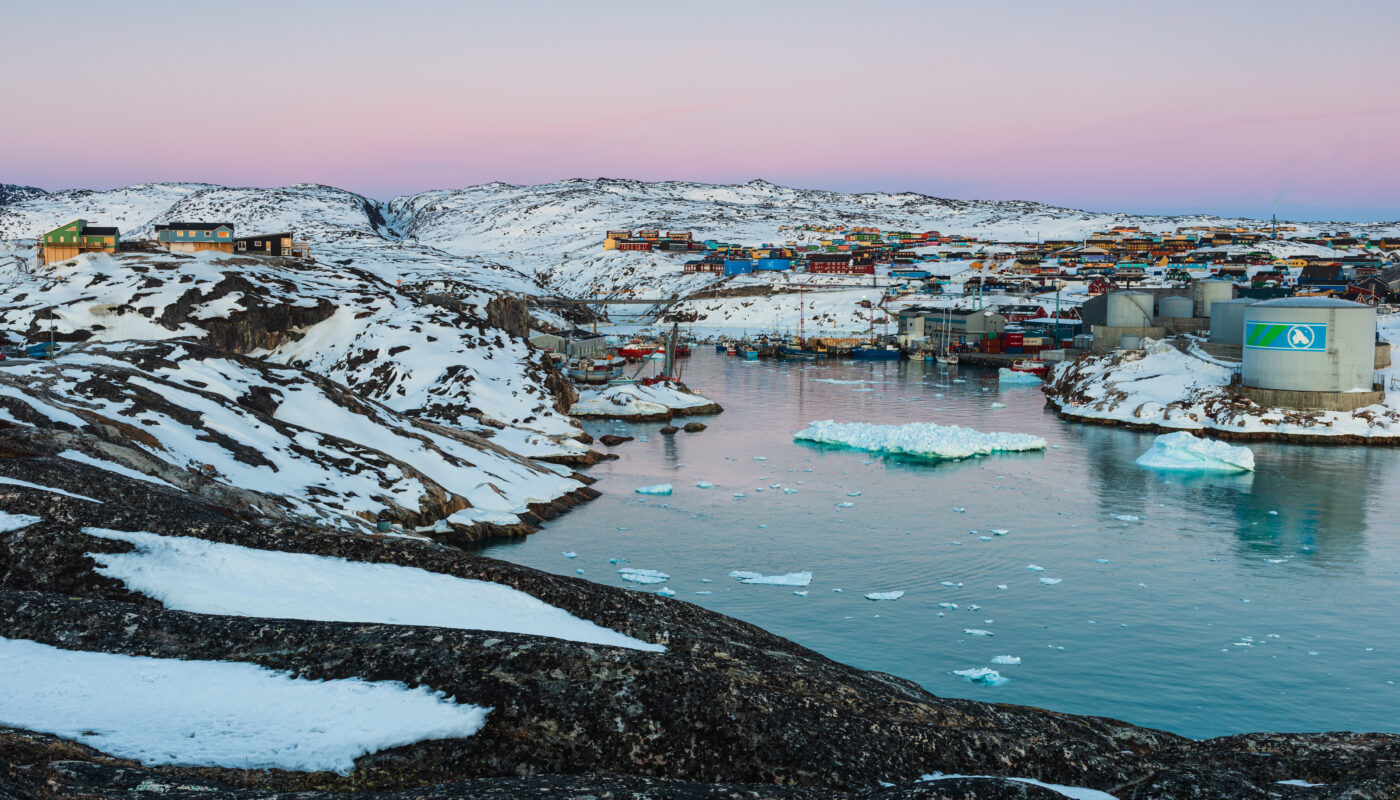
Greenland may seem like a remote, frozen land far away from most of the world’s population, but changes happening across its enormous ice sheet have consequences that reach coastlines, oceans, ecosystems, and communities worldwide. The ice covering Greenland is not simply a collection of frozen mountains. It is an important part of Earth’s climate system, helping scientists understand how the planet is warming and how rising temperatures may reshape the future.
Greenland loses ice due to surface melting, glacier movement toward the ocean, and iceberg breakage as a result of climate change. Water from this melting land ice enters the ocean and contributes to global sea-level rise. At the same time, the addition of freshwater can influence ocean circulation, marine environments, and regional climate patterns.
The effects are not limited to the Arctic. Coastal communities in Asia, Europe, Africa, and the Americas may face greater flood risks as sea levels rise. Fishing communities may experience changes in marine ecosystems, while governments must prepare for growing costs associated with coastal protection and climate adaptation.
According to the Intergovernmental Panel on Climate Change, Greenland’s ice sheet is expected to continue losing mass throughout this century under the climate scenarios assessed in its Sixth Assessment Report. The exact amount of future ice loss depends partly on how much the planet continues to warm.
IPCC
+1
Understanding Greenland’s changing ice is therefore essential to understanding the world’s changing climate. This article explores how the ice loss happens, why it matters, and what its consequences could mean for future generations.
1. Understanding Greenland’s Enormous Ice Sheet


12
Greenland is the world’s largest island, and much of its interior is covered by a vast ice sheet. In many places, the ice is extremely thick, concealing mountains, valleys, and ancient landscapes beneath its frozen surface.
An ice sheet is different from an ordinary mountain glacier. It covers an extensive area of land and spreads outward under its own weight. In Greenland, ice slowly moves toward the coastline through a network of glaciers. Some of these glaciers reach the sea, where pieces of ice can break away and become icebergs.
The ice sheet formed over thousands of years as snowfall accumulated faster than it melted. Layer upon layer of snow became compressed into dense ice. Today, its size reflects a long history of snowfall, freezing, melting, and movement.
However, this system is sensitive to changes in temperature. Warmer air can melt the surface, while warmer ocean water can contribute to the retreat of glaciers where they meet the sea. When more ice leaves the ice sheet than is replaced by snowfall, Greenland experiences a net loss of ice.
The scale of the ice sheet makes even small changes important. NOAA’s Arctic Report Card explains that a complete loss of Greenland’s ice sheet would raise global mean sea level by approximately seven metres. This is a long-term illustration of the ice sheet’s importance, not a prediction that all the ice will disappear within this century.
NOAA Arctic
+1
2. Why Is Greenland Losing Ice?
Greenland’s ice loss is driven by several connected processes. Understanding these mechanisms helps explain why the effects can extend far beyond the island itself.
Rising Air Temperatures
As greenhouse gases accumulate in the atmosphere, more heat is retained within Earth’s climate system. Arctic regions have experienced particularly pronounced warming, making the Greenland ice sheet increasingly vulnerable.
During warmer periods, melting spreads across parts of the ice sheet’s surface. Meltwater may flow into streams, travel through cracks, or drain into the ocean. Some water can refreeze within the snow, but some escapes, contributing to ice loss.
When the surface becomes darker because of exposed ice, dust, or other material, it can absorb more sunlight than fresh, bright snow. This can encourage further melting in certain conditions.
Warmer Ocean Water
Greenland’s glaciers do not respond only to the air above them. Ocean temperatures also matter.
Where a glacier flows into the sea, relatively warm water can melt ice at its submerged front. This may contribute to the glacier retreating inland, depending on the shape of the seabed, ocean conditions, and the glacier’s structure.
When the glacier’s front retreats or its flow changes, the amount of ice reaching the ocean can change as well.
Iceberg Calving
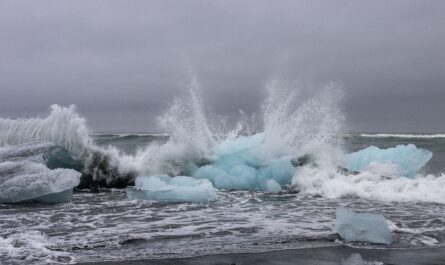
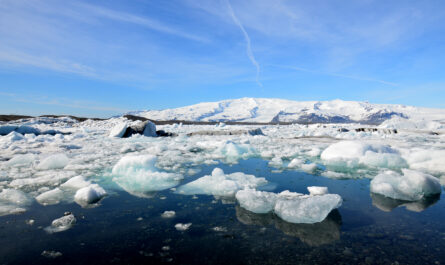
Calving occurs when pieces of ice break off the edge of a glacier and enter the water. The resulting icebergs can drift through fjords and into the surrounding ocean.
Calving is a natural part of glacier behaviour, but it contributes to the ice sheet’s overall mass balance. If ice is discharged into the ocean faster than snowfall can replace it, the ice sheet loses mass.
Snowfall Cannot Always Replace the Loss
Greenland receives snowfall that adds new ice to the system. Yet the important measurement is not snowfall alone; it is the balance between ice gained and ice lost.
A year with substantial snowfall can still result in net ice loss if melting and ice discharge are greater. Conversely, the amount of loss can vary considerably from one year to another because weather conditions change.
Long-term observations show that Greenland’s ice sheet has been losing mass over recent decades, although the rate varies between years. The IPCC identifies both surface melting and ice discharge as important causes.
IPCC
+1
3. Rising Sea Levels: The Most Direct Global Consequence


9
One of the clearest ways Greenland’s ice loss affects the world is through rising sea levels. When ice that sits on land melts, the resulting water flows into the ocean and adds to its volume.
This is different from melting sea ice, which already floats in the ocean and has a much smaller direct effect on sea level. Greenland’s ice sheet rests on land, so the water released from it adds to the ocean’s total water supply.
The contribution is measurable. The IPCC estimated that Greenland lost approximately 4,890 gigatonnes of ice between 1992 and 2020, contributing about 13.5 millimetres to global mean sea-level rise. One gigatonne is equivalent to one billion metric tonnes.
IPCC
Although 13.5 millimetres may sound small, global sea-level changes accumulate over time and can have substantial consequences in low-lying locations.
Coastal Flooding Becomes More Dangerous
Higher sea levels mean that high tides and storm-driven waves begin from a higher starting point. Areas that previously flooded only during unusual weather may experience flooding more often.
A coastal storm does not need to become stronger to cause greater damage. If the sea is already higher, the same storm surge can reach farther inland, damage roads, affect homes, and overwhelm drainage systems.
For residents of coastal cities, the consequences may include repeated property damage, interruptions to transport, and rising expenses for flood protection.
Erosion Threatens Beaches and Shorelines
Waves and currents naturally reshape coastlines. However, rising water levels can allow waves to reach farther inland and increase pressure on vulnerable shorelines.
Beaches may narrow, cliffs may retreat, and protective coastal wetlands may become harder to maintain. In some locations, seawalls and other defences can reduce immediate risks, but they cannot solve every problem indefinitely.
The severity of erosion varies with local geology, sediment supplies, tides, storms, and coastal development. Greenland’s contribution is one part of a wider global sea-level problem that also includes other melting glaciers, Antarctic ice loss, and the expansion of warming seawater.
Saltwater Can Contaminate Freshwater
Some coastal communities depend on groundwater for drinking, farming, and everyday use. As sea levels rise, saltwater can move farther into coastal aquifers, especially where groundwater is heavily extracted or the land is low-lying.
Salt contamination can make freshwater harder to use and may damage agricultural soils. Communities may need new wells, treatment systems, water storage, or alternative supplies.
These impacts will not occur equally everywhere, but they demonstrate how a change in the Arctic can influence basic needs thousands of kilometres away.
4. Why Low-Lying Countries and Islands Face Greater Risks
Countries with extensive low-lying coastlines are particularly exposed to rising seas. Small island states, river deltas, and densely populated coastal plains may have limited space for people to relocate and fewer resources for expensive protective infrastructure.
Small Island Communities
Many island communities rely on coastal land for housing, transport, tourism, and food production. Rising sea levels can increase flooding and erosion, while saltwater may affect freshwater supplies.
The future of any particular island depends on its elevation, geology, reef systems, sediment movement, and ability to adapt. It would be inaccurate to suggest that all islands will disappear, but many face serious challenges as sea levels rise.
River Deltas and Agricultural Regions
River deltas are formed from sediment deposited where rivers meet the sea. Their flat terrain can support farming and large populations, but this geography also makes some delta regions vulnerable to flooding and saltwater intrusion.
Where land is sinking because of groundwater extraction or natural sediment compaction, the local rate of relative sea-level rise can be even greater. This combination can threaten crops, roads, homes, and drinking-water supplies.
Coastal Cities and Economic Centres
Many of the world’s major cities, ports, airports, and industrial areas are located near coastlines. Rising seas can threaten warehouses, power facilities, transport networks, and other infrastructure essential to national economies.
Protective measures such as raised roads, flood barriers, improved drainage, and restored wetlands can reduce some risks. However, such projects require investment, careful planning, and long-term maintenance.
The key point is that Greenland’s melting ice does not need to flood a city directly to affect it. It contributes to a global process that gradually changes the conditions under which coastal communities operate.
5. Greenland’s Meltwater Can Influence Ocean Circulation
The ocean is not a motionless body of water. Large-scale currents redistribute heat, salt, oxygen, and nutrients around the planet. Differences in temperature and salinity help drive some of these movements.
When Greenland releases large quantities of freshwater into the North Atlantic, it changes the salinity of the surrounding seawater. Freshwater is less dense than salty water at the same temperature, so an increase in freshwater can affect how water layers mix and sink.
This matters because the North Atlantic forms part of the Atlantic Meridional Overturning Circulation (AMOC), a broad system of currents that transports heat between tropical and higher latitudes.
What Is the AMOC?
The AMOC carries warm, relatively salty surface water northward through the Atlantic. As water releases heat to the atmosphere and becomes colder and denser in some northern regions, parts of it sink and return southward at depth.
The real circulation system is complex and is influenced by winds, temperature, salinity, and interactions among different ocean layers.
Additional freshwater from Greenland can make some surface waters less dense and potentially reduce the sinking that helps sustain parts of this circulation. Scientists are investigating how much Greenland’s meltwater contributes to changes in the AMOC and how the system may respond to continued warming.
Could Europe Become Colder?
A weakening of the AMOC could alter regional patterns of ocean heat transport and influence weather and climate around the North Atlantic. Some areas might warm more slowly than they otherwise would, while rainfall patterns and marine conditions could also change.
However, this does not mean that Greenland’s melting will automatically trigger an immediate ice age or make all of Europe colder. Greenhouse-gas-driven global warming continues to influence the climate, and the effects of ocean circulation changes vary by region.
NOAA identifies possible disruption of North Atlantic circulation as one of the important regional consequences associated with Greenland ice loss. The magnitude and timing of future changes remain subjects of scientific research.
NOAA Arctic
+1
6. Changes to Marine Life and Fisheries


6
Greenland’s ice loss can also influence marine ecosystems. When meltwater enters the ocean, it carries freshwater, minerals, and sediment from the ice sheet and surrounding landscape. These materials can change local water conditions and influence how nutrients move through marine environments.
The consequences are not uniformly harmful or beneficial. Some locations may receive additional nutrients that support biological activity, while others may experience changes in salinity, water-column mixing, or light conditions that affect organisms differently.
Plankton and the Food Web
Plankton form the foundation of many marine food webs. Tiny drifting organisms help sustain fish, seabirds, and larger marine animals.
Changes in freshwater input, stratification, nutrients, and seasonal conditions can influence plankton growth and distribution. The effects depend on the location and time of year, making them difficult to predict with a single global rule.
Fishing Communities
Fishing is important to many communities in Greenland and across the North Atlantic. If changing ocean conditions affect fish distribution, abundance, or feeding patterns, fishing businesses may need to adjust their practices.
A shift in where fish are found can affect operating costs, fishing schedules, and the location of processing facilities. However, fish populations also respond to fishing pressure, habitat changes, and other aspects of climate change, so Greenland’s ice loss is only one part of the picture.
Scientists monitor these interactions to understand how Arctic changes may influence ecosystems and the people who depend on them.
NOAA Arctic
+1
7. Greenland’s Ice Loss and Global Weather Patterns
The relationship between melting ice and weather is complicated, but it is an important area of climate research. Ice loss can influence ocean temperatures, freshwater distribution, and the movement of heat between the ocean and atmosphere.
The Arctic also plays a role in the wider climate system because ice and snow reflect a large proportion of incoming sunlight. When bright surfaces disappear, darker ocean water or exposed land absorbs more solar energy.
This process is known as the ice-albedo feedback. It is especially important for Arctic sea ice and snow-covered surfaces, although it is not the only mechanism responsible for Greenland’s ice-sheet decline.
As the region warms, changing snow cover, sea ice, and ocean conditions can affect the exchange of energy between the atmosphere and the surface. Researchers continue to investigate how these changes influence atmospheric circulation and weather in other parts of the world.
It is important not to attribute every heatwave, flood, drought, or storm to Greenland. Individual weather events have multiple causes. Greenland’s ice loss is one part of a much larger climate system, and its most direct global influence remains its contribution to rising sea levels.
8. Economic Consequences for the World
The impacts of Greenland’s melting ice are not limited to the natural environment. They can also create long-term financial challenges for governments, businesses, households, and insurance providers.
Increasing Costs of Coastal Protection
As sea levels rise, some communities may need to invest in stronger flood barriers, improved drainage, raised roads, and restored coastal wetlands.
These projects can be expensive, particularly for cities that already have extensive infrastructure near the water. Some locations may be able to protect existing development, while others may find that relocating buildings or essential services becomes a more practical long-term option.
Risks to International Trade
Ports are essential to global trade because they connect manufacturers, farmers, energy suppliers, and consumers. Flooding or damage to port facilities can interrupt the movement of goods and increase transport costs.
A disruption at one major coastal facility can affect supply chains far beyond its immediate region. Businesses may therefore need to assess coastal risks when planning warehouses, shipping routes, and long-term investments.
Insurance and Property Values
Repeated flooding can increase insurance costs or make some properties harder to insure. Homeowners and businesses may also face repair bills, reduced property values, and uncertainty about future protection measures.
These effects are influenced by local planning, building standards, insurance markets, and government policies. They cannot be predicted from Greenland’s ice loss alone, but rising sea levels increase the underlying risk for many coastal areas.
Unequal Financial Burdens
Wealthier communities may have greater resources to construct protective infrastructure and recover after disasters. Lower-income communities may have fewer options, even when their exposure to flooding is high.
This creates an important fairness issue in climate adaptation. Countries and communities that have contributed relatively little to global greenhouse-gas emissions can still face substantial consequences from rising seas.
9. How Greenland’s Ice Loss Could Affect Future Generations
The consequences of Greenland’s changing ice sheet will unfold over different timescales. Some effects, such as seasonal meltwater entering the ocean, can be observed today. Others, particularly large changes in global sea level, develop over decades, centuries, and longer.
One crucial point is that sea level does not respond instantly to changes in emissions. Even if global warming were limited, the ice sheet would continue responding to the climate conditions already created. This means some additional ice loss and sea-level rise are already committed.
The IPCC’s Sixth Assessment Report projected continued Greenland ice-sheet mass loss throughout the twenty-first century under all the scenarios it assessed. It also found that the amount of future loss increases with cumulative emissions. The precise outcome depends on future warming and the complex response of the ice sheet.
IPCC
If ice loss continues, future generations may inherit coastlines that experience more frequent flooding, greater pressure on freshwater resources, and higher costs for protecting infrastructure.
Urban planners may need to consider sea-level projections when deciding where to build homes, roads, hospitals, and transport facilities. Governments may also need to preserve space for wetlands and other natural systems that reduce coastal flooding.
Planning ahead is especially important because buildings and infrastructure often remain in place for many decades. Decisions made today can either increase future exposure or reduce it.
10. Can Greenland’s Ice Loss Be Stopped?
There is no single action that can immediately restore Greenland’s lost ice. However, the scale of future ice loss can still be influenced by the choices humanity makes now.
Reduce Greenhouse-Gas Emissions
The most important long-term measure is to limit global warming by reducing emissions of carbon dioxide and other greenhouse gases.
This involves expanding low-carbon energy, improving energy efficiency, reducing unnecessary fossil-fuel use, and developing cleaner transport and industrial systems. The precise mix of solutions differs between countries, but reducing cumulative emissions helps limit future warming.
Lower warming does not mean that all ice loss will stop immediately. It means reducing the pressure on the ice sheet and limiting the additional sea-level rise that would otherwise occur.
Improve Scientific Monitoring
Satellites, aircraft, field measurements, and ocean observations help researchers measure changes in Greenland’s ice sheet.
These observations allow scientists to track surface melting, glacier movement, ice thickness, and changes in mass. Better measurements also improve projections of future sea levels, helping coastal communities prepare.
Ongoing monitoring is essential because the rate of ice loss can vary significantly between years and because important physical processes remain uncertain.
Prepare Coastal Communities
Even with strong emissions reductions, adaptation will remain necessary. Coastal authorities can assess flood exposure, improve warning systems, protect essential infrastructure, and restore wetlands where appropriate.
In some locations, raising buildings or strengthening barriers may be effective. In others, carefully planned relocation may eventually be necessary. The best approach depends on local geography, available resources, and the level of risk.
Support International Cooperation
Greenland’s ice sheet is part of a shared global climate system. No single country can control its melting independently of global temperatures.
International cooperation can support climate research, emissions reductions, disaster preparedness, and funding for vulnerable communities. Sharing scientific information also helps governments make better decisions based on the latest observations.
11. Why Greenland Matters to People Everywhere
It is easy to think of Greenland as a distant wilderness whose changes matter mainly to scientists or Arctic residents. In reality, its ice sheet provides a clear example of how environmental systems connect the entire planet.
Melting land ice contributes to rising sea levels. Higher seas increase coastal flood risks. Freshwater entering the North Atlantic can influence ocean circulation and marine ecosystems. These changes can affect communities, economies, and natural environments far from the Arctic.
The consequences are not identical everywhere, and Greenland is not the sole cause of global sea-level rise or climate change. Ocean warming, other glaciers, the Antarctic ice sheet, local land movement, and regional weather patterns also play important roles.
Nevertheless, Greenland is a major contributor to the global sea-level problem. Its changing ice provides valuable evidence of how a warming climate can transform both natural environments and human societies.
Conclusion
Greenland’s ice loss is much more than a local environmental issue. It is a global concern with consequences for sea levels, coastal communities, ocean circulation, marine ecosystems, and economic security.
The most immediate worldwide impact is the additional water entering the oceans from melting land ice. Over time, this contributes to higher sea levels, increasing the risks faced by low-lying islands, river deltas, and coastal cities. Meanwhile, freshwater entering the North Atlantic can influence ocean conditions, while changes in marine environments may affect fisheries and the communities that depend on them.
Although scientists continue to refine their understanding of the ice sheet’s future, one conclusion is clear: the amount of additional warming matters. Reducing greenhouse-gas emissions can limit future ice loss, while improved monitoring and coastal planning can help societies prepare for changes that can no longer be avoided.
Greenland may be thousands of kilometres from many of the world’s busiest cities, but the oceans connect it to every coastline. Protecting the climate system therefore requires a combination of global emissions reductions, scientific research, responsible planning, and international cooperation.
The future of Greenland’s ice is closely linked to the future of the world. What happens in this frozen region today will help shape the coastlines and communities that future generations inherit.