 by
Introduction
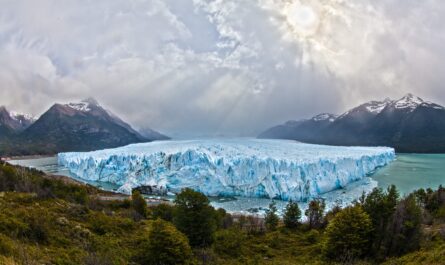
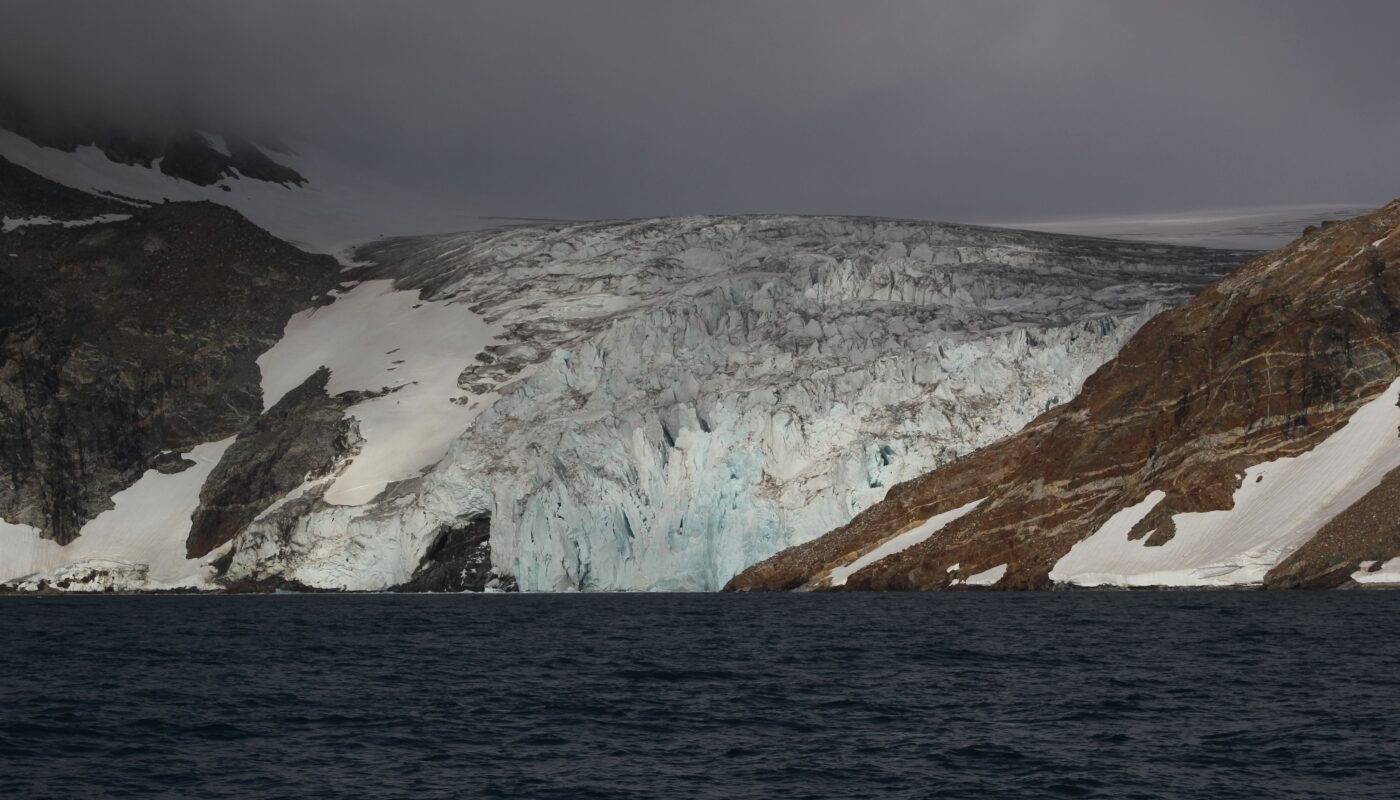
Imagine a world where mountains disappear beneath enormous blankets of ice, frozen valleys stretch towards distant horizons, and rivers of solid ice slowly travel across the landscape. This is the extraordinary environment of Earth’s polar regions. The Arctic and Antarctica contain some of the largest and most scientifically important ice formations on the planet.
Although both regions are famous for their freezing temperatures, they are not identical. The Arctic consists of the northern polar ocean, surrounded by continents and islands, while Antarctica is an isolated landmass encircled by the Southern Ocean. Their geographical differences influence the size, movement, and behaviour of their glaciers.
From Greenland’s enormous frozen interior to the remote glaciers of northern Canada and Antarctica’s powerful ice streams, each region reveals something different about the natural world. These frozen environments also provide valuable evidence about Earth’s climate history and offer important clues about future environmental changes.
This guide explores the major glaciers and ice sheets of the polar regions, explains how they differ, and examines why their condition matters to people and ecosystems around the world.
1. The Science Behind the Formation of Polar Ice
Glaciers are created through a gradual process that can take hundreds or even thousands of years. It begins when snowfall accumulates in an area where temperatures remain low enough for much of the snow to survive each summer.
As additional snow settles on top, the lower layers become compressed. Their structure changes, the air spaces become smaller, and the material gradually develops into dense glacial ice.
Eventually, the accumulated ice becomes thick enough to move under its own weight. Gravity drives this movement, allowing glaciers to travel across valleys, mountain slopes, and broad areas of land.
A glacier’s size is determined by how much ice it gains and how much it loses. Snowfall adds material, while melting, sublimation, and the breaking away of icebergs remove it. Scientists call this relationship the glacier’s mass balance.
Polar glaciers are particularly interesting because they exist in environments where temperatures, snowfall, and sunlight vary significantly throughout the year.
There are several types of large ice formations:
- Ice sheets: Enormous masses of land-based ice covering more than 50,000 square kilometres.
- Ice caps: Smaller ice masses that spread across elevated areas.
- Mountain glaciers: Rivers of ice that develop in high-altitude landscapes.
- Outlet glaciers: Ice channels that carry material away from larger ice sheets.
- Ice shelves: Floating platforms formed when land ice extends over the ocean.
These formations are connected, but they do not all behave in the same way. Their movement depends on temperature, terrain, ice thickness, and contact with surrounding water.
2. Antarctica: A Continent Hidden Beneath Ice
Antarctica is the most extensively ice-covered continent on Earth. Its frozen interior contains an enormous amount of freshwater stored in the Antarctic Ice Sheet.
The ice sheet covers approximately 14 million square kilometres, although its exact extent changes with seasonal conditions and the boundaries used in different measurements. In some locations, the ice reaches several kilometres in thickness.
Beneath this frozen surface are mountain ranges, valleys, ancient geological formations, and lakes. Much of this hidden landscape has been revealed through radar surveys and other scientific investigations.
Antarctica’s ice is commonly divided into three major geographical areas.
East Antarctica: The Vast Frozen Interior
East Antarctica contains the largest section of the continental ice sheet. Its ice rests mainly on land above present-day sea level, and its interior is extremely cold.
Snowfall is relatively limited across many inland areas. However, the snow that does accumulate can remain frozen for long periods, gradually building layers of ice.
Several large glaciers transport ice from this region towards the coast. One important example is Lambert Glacier, a major ice-flow system that drains part of the East Antarctic Ice Sheet.
Scientists study East Antarctica because it contains an immense quantity of stored ice. Understanding its long-term stability is essential for predicting future sea-level changes.
West Antarctica: An Ice Sheet Influenced by the Ocean
West Antarctica has a different physical structure. Much of its ice rests on bedrock located below sea level.
This makes the region particularly sensitive to changes in ocean temperature. Relatively warm seawater can travel beneath floating ice shelves, melting them from underneath.
When an ice shelf becomes thinner, it may provide less resistance to the glaciers flowing towards the ocean. This can allow some glaciers to accelerate and contribute to additional ice loss.
The Amundsen Sea sector of West Antarctica receives considerable scientific attention because several important glaciers in this region have experienced significant changes.
Antarctic Peninsula: A Region of Rapid Environmental Change
The Antarctic Peninsula extends northwards towards South America. Compared with the extremely cold continental interior, it experiences relatively milder conditions.
Its glaciers are influenced by changing air temperatures, ocean conditions, and local geography. The region has experienced substantial environmental changes, including the retreat and collapse of several ice shelves.
The collapse of the Larsen B Ice Shelf in 2002 became an important event in polar research. It demonstrated how a large floating ice platform can break apart over a relatively short period.
3. Greenland: The Arctic’s Greatest Frozen Treasure
The biggest island on Earth, Greenland is home to the second-largest ice sheet in the world, after Antarctica.
Around four-fifths of the island is covered by ice. The central region forms a high frozen plateau, while the coastal areas contain mountains, fjords, and numerous outlet glaciers.
Greenland’s glaciers are particularly impressive because many of them reach the sea. As the ice travels through narrow coastal valleys, it can enter deep fjords and produce enormous icebergs.
Ilulissat Icefjord and Jakobshavn Isbræ
One of Greenland’s most famous glacier environments is Ilulissat Icefjord on the western coast.
It is connected to Jakobshavn Isbræ, also known as Sermeq Kujalleq, a major outlet glacier that releases large quantities of ice into the fjord.
The icebergs produced by this glacier vary greatly in size. Some are relatively small pieces of floating ice, while others are enormous blocks that can remain trapped in the fjord before moving towards the open sea.
Ilulissat provides an excellent example of how glaciers shape coastal landscapes. The movement of ice creates a constantly changing environment, influencing the appearance of the fjord and surrounding waters.
Petermann Glacier
Petermann Glacier is located in northwestern Greenland. It is known for its floating ice tongue, which extends from the grounded glacier into the ocean.
This floating section is important because it connects inland ice with the marine environment. Changes in its thickness and structure can influence the movement of ice towards the sea.
Petermann Glacier is also useful for understanding how ocean temperatures affect glaciers that terminate in coastal waters.
4. Svalbard: A Northern Archipelago Filled with Ice
Located in the Arctic Ocean, Svalbard is a Norwegian archipelago known for its glaciers, snow-covered mountains, and dramatic polar landscapes.
The islands contain numerous glaciers and ice caps, making the region an important destination for scientific research. Its maritime climate creates conditions that differ from the extremely cold interior of Antarctica.
One of the most significant frozen formations in Svalbard is Austfonna, located on Nordaustlandet. It is among Europe’s largest ice caps and feeds several outlet glaciers.
Svalbard’s glaciers are valuable for understanding the behaviour of smaller polar ice systems. Researchers examine changes in their thickness, surface conditions, and movement to identify the effects of warming temperatures.
The archipelago also supports Arctic wildlife, including polar bears, Arctic foxes, reindeer, and seabirds. Changes in snow and ice conditions can influence the habitats and seasonal behaviour of these animals.
5. The Canadian Arctic: Ice Across the Northern Islands
The Canadian Arctic contains a collection of islands where glaciers and ice caps cover large areas of land.
Some of the most important glacier systems are found on Ellesmere Island, Devon Island, and Axel Heiberg Island.
Ellesmere Island
Ellesmere Island is located in Canada’s far north. Its landscape includes mountains, glaciers, ice-covered plateaus, and extensive areas of frozen ground.
Because of its remote location, the island provides scientists with an opportunity to study polar environments that experience very cold conditions for much of the year.
Its glaciers are affected by snowfall, summer temperatures, and changes in surrounding ocean conditions.
Devon Island
Devon Island contains the Devon Ice Cap, a major ice formation in the Canadian Arctic.
Its elevated position allows snow to accumulate over large areas, creating a frozen landscape that feeds several glacier outlets.
Research into the Devon Ice Cap helps scientists understand how relatively smaller ice formations respond to changing atmospheric conditions.
Axel Heiberg Island
Axel Heiberg Island also contains glaciers and ice caps. Its remote location and rugged terrain make it an interesting area for studying polar geology and glacial processes.
Together, these Canadian islands demonstrate that the Arctic’s frozen environment extends far beyond Greenland.
6. Alaska: Where Mountain Glaciers Meet Coastal Waters
Alaska is another important region for studying glaciers at high northern latitudes. Its landscape includes mountain ranges, extensive icefields, and glaciers that flow towards coastal waters.
Not all Alaskan glaciers are located within the Arctic Circle, but the state’s northern position and cold environments make it an important part of wider high-latitude glacier research.
Juneau Icefield
The Juneau Icefield stretches across southeastern Alaska and into Canada. It feeds many individual glaciers that move through surrounding valleys.
Researchers use this icefield to investigate changes in snow accumulation, ice thickness, and glacier movement.
Its glaciers also demonstrate how mountain environments can respond to changing temperatures.
Hubbard Glacier
Hubbard Glacier is a well-known tidewater glacier in southeastern Alaska. It reaches the ocean and has an impressive ice front where large pieces of ice can break away.
The glacier’s interaction with seawater makes it especially interesting to scientists studying ice movement and iceberg formation.
Tidewater glaciers can respond to changes in ocean temperature, water depth, and the shape of the seabed.
7. Comparing the Arctic and Antarctic Ice Systems
Although the Arctic and Antarctica both contain extensive frozen landscapes, their environments create different glacier patterns.
The Arctic includes Greenland’s large ice sheet, smaller ice caps, mountain glaciers, and extensive seasonal sea ice. Antarctica is dominated by a continental ice sheet divided into major regions.
The following comparison highlights their main differences.
| Category | Arctic Region | Antarctic Region |
|---|---|---|
| Geographic setting | Ocean surrounded by continents and islands | Ice-covered continent surrounded by ocean |
| Largest ice formation | Greenland Ice Sheet | Antarctic Ice Sheet |
| Major glacier environments | Greenland, Svalbard, Canadian Arctic, Alaska | East Antarctica, West Antarctica, Antarctic Peninsula |
| Climate | Conditions vary between maritime and continental areas | Extremely cold, particularly inland |
| Coastal features | Many glaciers flow into fjords | Numerous glaciers connect with floating ice shelves |
| Wildlife | Polar bears, Arctic foxes, seals, and walruses | Penguins, seals, and seabirds |
| Main scientific concerns | Ice-sheet loss, glacier retreat, and Arctic warming | Ice-shelf stability and changes in Antarctic ice flow |
One particularly important difference is the role of human communities. The Arctic includes towns, settlements, and Indigenous communities, while Antarctica has no permanent native population.
The two regions also have different wildlife. Polar bears live in the Arctic, not Antarctica, while penguins are naturally associated with the Southern Hemisphere.
8. Why Ice Shelves Are Important to Antarctica
An ice shelf is a thick floating platform of ice connected to a glacier or ice sheet on land.
These structures are common around Antarctica. They develop when glaciers flow beyond the coastline and spread over seawater.
Although ice shelves already float, they play a major role in controlling the movement of grounded ice. Their resistance can slow the glaciers behind them, reducing the rate at which land-based ice reaches the ocean.
Two important examples are the Ross Ice Shelf and the Larsen Ice Shelf.
The Ross Ice Shelf is the largest ice shelf in Antarctica. It covers a vast area of the Southern Ocean and receives ice from several major glacier systems.
The Larsen Ice Shelf is located along the Antarctic Peninsula. Different sections of this shelf have experienced significant changes, including the dramatic collapse of Larsen B in 2002.
These examples show why scientists closely monitor floating ice. Changes in ice shelves can influence the stability of much larger land-based glacier systems.
9. The Impact of Global Warming on Polar Glaciers
Polar glaciers are sensitive to changes in temperature, snowfall, and ocean conditions. As the planet warms, the balance between ice accumulation and ice loss changes in many regions.
Several processes contribute to this transformation.
Increased Surface Melting
Higher air temperatures can cause more snow and ice to melt during warmer periods.
In Greenland, surface melting can create temporary lakes and streams on top of the ice sheet. Some of this water drains through cracks and openings, eventually reaching the glacier bed.
The effect on glacier movement varies, but surface melting is an important factor in understanding Greenland’s changing ice conditions.
Ocean-driven Ice Loss
Glaciers that reach the ocean are also affected by seawater temperatures.
Warm water can melt the underwater sections of glaciers and the undersides of floating ice shelves. This process may weaken ice structures and influence the movement of glaciers towards the sea.
Changes in Snowfall
A warmer atmosphere can hold more moisture, potentially increasing snowfall in some cold regions. However, this does not automatically mean glaciers will grow.
If melting and ice discharge increase faster than snowfall, the glacier can still lose mass.
Glacier Retreat
When a glacier loses more ice than it gains, its front may gradually move backwards.
This retreat can expose bare rock, change local drainage systems, and alter landscapes that have remained ice-covered for thousands of years.
10. How Polar Ice Loss Can Affect the Global Environment
The consequences of glacier loss reach far beyond the polar regions.
One of the most important effects is global sea-level rise. When land-based ice melts and flows into the ocean, it increases the amount of water in the world’s seas.
This can create additional risks for low-lying coastal areas, including flooding, shoreline erosion, and saltwater entering freshwater supplies.
Polar ice loss can also influence ocean systems. Freshwater entering the sea changes the local balance of temperature and salinity, which can affect water density and ocean circulation.
Wildlife faces additional challenges. In the Arctic, sea ice is essential to the lives of several animals, including polar bears and seals. Changes in glacier landscapes can also affect coastal habitats and freshwater environments.
In Antarctica, penguins and seals depend on marine ecosystems that are influenced by sea ice and ocean conditions. The effects differ between species and locations.
For people, rising sea levels can increase the pressure on coastal infrastructure, homes, transport networks, and agricultural land.
These connections demonstrate why changes in polar ice should be considered a global environmental issue rather than a problem limited to remote frozen regions.
11. How Researchers Study the World’s Polar Glaciers
Monitoring glaciers in the Arctic and Antarctica is difficult. Scientists must work in freezing temperatures, unpredictable weather, and locations that are often far from roads and permanent settlements.
Modern research techniques make it possible to study these areas without relying entirely on direct field visits.
Satellite imaging helps researchers observe changes in glacier boundaries, surface height, and movement over large areas.
Radar technology can investigate the thickness of ice and identify geological features beneath the frozen surface.
GPS instruments measure the speed and direction of glacier movement, helping scientists understand how ice travels across different landscapes.
Ice-core drilling allows researchers to collect long records of snowfall and atmospheric conditions. Tiny air bubbles trapped inside ancient ice preserve information about the atmosphere when the snow originally accumulated.
Ocean measurements help scientists investigate how seawater temperature and circulation affect glaciers and ice shelves.
By combining these techniques, researchers can develop a clearer understanding of how polar ice changes over time.
12. The Future of Earth’s Polar Glaciers
The future of the polar regions will depend largely on how the global climate develops over the coming decades.
Some glaciers may continue to shrink as temperatures rise, while other regions may experience complicated changes in snowfall and ice movement. The largest ice sheets are particularly important because their long-term behaviour can influence global sea levels for centuries.
Scientists are also investigating whether certain glacier systems could pass important stability thresholds. In some locations, retreat into deeper ocean water may expose more ice to melting, potentially encouraging additional retreat.
Reducing greenhouse gas emissions is essential for limiting further warming. It cannot instantly restore ice that has already disappeared, but it can reduce the risks associated with continued temperature increases.
International cooperation, improved satellite monitoring, and long-term scientific research will remain important for protecting knowledge of these environments.
Conclusion
The glaciers of the polar regions represent some of Earth’s most remarkable natural systems. From the immense Antarctic Ice Sheet to Greenland’s iceberg-producing glaciers, each frozen landscape plays a role in shaping the planet’s climate and environment.
The Arctic and Antarctica may share extreme cold and enormous quantities of ice, but their geographical structures and glacier systems are very different. Svalbard’s ice caps, Canada’s northern glaciers, Alaska’s mountain icefields, and Antarctica’s coastal ice shelves all contribute to the extraordinary diversity of polar environments.
Understanding these glaciers is essential because their changes can affect sea levels, ocean circulation, wildlife, and communities around the world.
As scientific knowledge continues to improve, the polar regions will remain central to discussions about climate change and the future of our planet. These frozen landscapes may seem distant from everyday life, but their condition is closely connected to the environmental stability of Earth.